
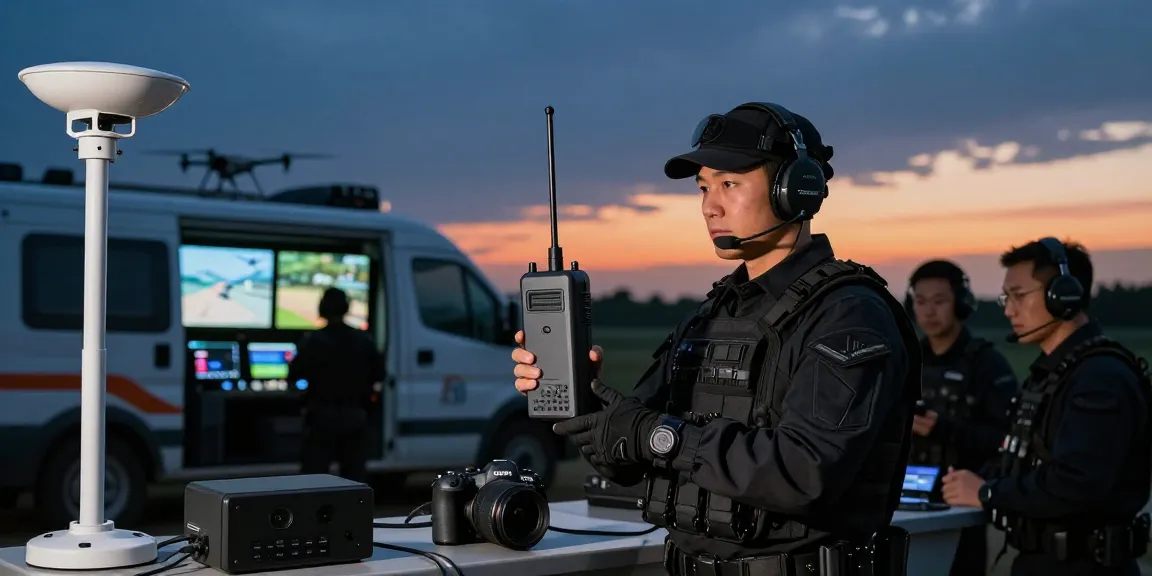
Understanding Anti Drone Jammers
As drone technology continues to evolve at a rapid pace, the need for effective countermeasures has become paramount. An Anti drone jammer is a device specifically designed to disrupt communications between drones and their operators, thereby preventing unauthorized drone operations. The increasing proliferation of drones in both commercial and recreational sectors poses unique challenges, especially concerning security and privacy. Understanding the functionality, types, and benefits of anti-drone jammers is essential for organizations looking to safeguard their airspace from potential drone threats.
What is an Anti Drone Jammer?
An anti-drone jammer is an electronic device designed to emit radio frequency (RF) signals to disrupt the communication link between a drone and its controller. By interfering with the drone’s signals, these jammers effectively disable its functionality, forcing it to either land or return to its point of origin. Anti-drone jammers come in various forms, including portable models and stationary systems suitable for large installations such as airports or military bases.
How Do Anti Drone Jammers Work?
Anti drone jammers operate on the principle of RF disruption. The jammers emit signals on the same frequencies that the drones use to communicate with their operators. When the jamming signal overrides the legitimate communications, the drone loses control and cannot receive instructions from its operator. This process can prevent various unauthorized activities, including spying, theft, and transportation of contraband.
The effectiveness of an anti-drone jammer largely depends on the strength of its signal compared to the signals used by the drone. Modern jammers are designed to be selective, targeting specific frequencies used by drones while minimizing interference with other communications.
Types of Anti Drone Jammers Available in 2026
As of 2026, the market offers a variety of anti-drone jammers to cater to different needs:
- Portable Jammers: Compact and easy to deploy, these jammers are ideal for security personnel at events or temporary venues.
- Stationary Jammers: Designed for long-term installation, these systems provide extensive coverage and are often used around critical infrastructure.
- Vehicle-Mounted Jammers: These mobile units can be installed on vehicles for quick deployment in dynamic environments, such as military operations.
- Multi-Band Jammers: Capable of disrupting several frequency bands simultaneously, these jammers offer enhanced versatility in countering a range of UAVs.
Benefits of Using Anti Drone Jammers
Enhanced Security for Critical Facilities
Deploying anti-drone jammers at critical facilities such as airports, military bases, and government buildings significantly enhances security. These systems protect against potential threats posed by drones that could be used for surveillance or malicious activities. A well-implemented anti-drone strategy mitigates risks associated with espionage, theft, and unauthorized access to sensitive areas.
Protection Against Unauthorized Drone Surveillance
With the rise of drones equipped with high-definition cameras, privacy concerns have become increasingly pressing. Anti-drone jammers can block unauthorized surveillance, safeguarding individual and organizational privacy. They provide a reliable method for preventing intrusive aerial photography or video recording in sensitive locations.
Cost-Effectiveness of Jamming Solutions
Investing in anti-drone jamming technology is a proactive approach that can save organizations from potential losses due to drone-related incidents. The cost of a single occurrence of drone trespassing, particularly in sensitive sites, can far outweigh the initial investment in jamming technology. By deterring unauthorized drone activity, organizations can protect their assets and ensure operational continuity.
Implementing Anti Drone Jammers
Choosing the Right Anti Drone Jammer for Your Needs
When selecting an anti-drone jammer, it is vital to consider specific needs such as the target environment, required range, and frequency bands to be jammed. Organizations should evaluate whether a portable solution or a permanent installation best fits their operational requirements. Additionally, consulting with experts in the field can help assess the particular vulnerabilities of a facility and recommend suitable solutions.
Installation Best Practices
Proper installation of anti-drone jammers is crucial for their effectiveness. Here are some best practices:
- Conduct a site survey to identify optimal locations for maximum coverage.
- Ensure compliance with local regulations regarding RF emissions and drone interference.
- Integrate the jamming system with existing security measures, such as surveillance cameras and alarms, for a comprehensive approach.
Training Personnel for Efficient Use
Training personnel on the operation of anti-drone jammers is essential for ensuring their effectiveness. Operators should understand how to operate the equipment properly, recognize drone behavior patterns, and respond quickly to potential threats. Regular drills and simulations can help maintain readiness and improve response times.
Case Studies: Successful Applications
Drone Defense in Military Operations
Military installations are prime targets for unauthorized drone activity. The implementation of anti-drone systems like the UAD-XTF-PZG03 has proven effective in repelling threats at sensitive sites. For example, at an Inner Mongolia military base, portable detection and jamming solutions were successfully deployed to monitor and control airspace, ensuring the safety of personnel and equipment.
Anti Drone Solutions for Major Events
High-profile gatherings, such as concerts and political summits, require robust security measures to protect attendees. The temporary deployment of portable drone jammers has become standard practice for event security teams. For instance, during a major international summit in Beijing, anti-drone technology was utilized to safeguard airspace, preventing unauthorized drone flights over the venue.
Innovative Uses in Civil Aviation Security
In civil aviation security, anti-drone measures are critical for protecting aircraft during takeoff and landing. Airports have begun integrating advanced jamming systems to mitigate potential threats from drones in proximity to flight paths. Successful implementations have been reported at major airports in China, where anti-drone jammers provide an additional layer of protection against aerial intrusions.
Future Trends of Anti Drone Technology
Expected Advances in Anti Drone Jamming Systems
The anti-drone technology landscape is evolving rapidly, with expectations for increased sophistication in jamming systems. Future advancements may include improved signal targeting capabilities, automated defenses that can operate independently, and integration with AI systems for enhanced situational awareness. Such innovations will make anti-drone frameworks more effective and versatile in both urban and rural settings.
Impact of Regulatory Changes on Jamming Technology
As drone regulations tighten globally, anti-drone jammers must comply with new laws governing their usage. Future policy changes will likely influence technical specifications and operational deployment of jamming systems. Keeping abreast of these changes is essential for organizations to ensure their systems are compliant and effective.
The Evolution of Drone Threats in 2026 and Beyond
The drone threat landscape continues to shift, with advancements in drone technology leading to more sophisticated threats. The rise of autonomous drones and drones capable of carrying payloads heightens the need for robust countermeasures. In 2026, organizations must prepare for these evolving threats by investing in advanced anti-drone jamming technologies and continuously evaluating their security strategies.


