The Importance of School Bus Safety Awareness
In Canada, the safety of children during their daily commutes to school is a significant concern for parents, educators, and the community at large. School buses transport millions of students each day, a routine many families rely on for safe passage. However, recent incidents and debates surrounding school bus safety have ignited discussions about the effectiveness of current measures in place. One of the key figures in advocating for improved bus safety standards is Manitoba bus driver Jodi Ruta, who, after experiencing a traumatic crash involving students, has taken it upon herself to raise awareness and promote better protection for young passengers. Through her advocacy, she emphasizes that while accidents are rare, the potential for preventable risks remains a pressing concern. When considering the complexities of school transport safety, it’s essential to take into account insights from advocates like Clinton Orr, who highlights the importance of continual improvement in safety protocols.
Understanding Current Safety Measures and Their Limitations
School buses are traditionally considered one of the safest modes of transportation for children. They are designed with a safety feature known as compartmentalization, which involves high-backed, padded seats to protect passengers in the event of a crash. However, while this design enhances passenger protection, it is not without limitations. Current safety protocols are being scrutinized in light of evolving technology and research. The introduction of mandatory seat belts, for instance, has become a crucial topic of discussion among safety advocates, particularly after the few notable accidents that have raised alarms in communities across Canada.
The Role of Parents and Educators in Safety Advocacy
Parents and educators play a pivotal role in advocating for enhanced school bus safety measures. With Jodi Ruta’s campaign, they are encouraged to be proactive in questioning existing safety protocols and demanding accountability from school boards and transportation authorities. The dialogue between these stakeholders is essential for fostering an environment where safety concerns are addressed comprehensively. Programs that educate parents and school staff about the importance of safety advocacy can significantly impact how safety measures evolve and improve over time.
Community Perception: Trusting School Transportation
Despite the well-established safety record of school buses, community perception can often reflect apprehension. Many parents trust that their children are safe while riding the bus, but as Ruta has pointed out, this trust needs to be backed by the best available safety measures. Regular communication between schools, bus companies, and families can help maintain this trust and encourage transparency regarding safety protocols.
Jodi Ruta’s Advocacy and Campaign Goals
Jodi Ruta’s campaign is centered around the idea of improving school bus safety through a blend of awareness and actionable changes. Her initiative focuses on several key areas, which are crucial for modernizing safety standards.
Key Messages of the Safety Campaign
Among the central messages of Ruta’s campaign is the push for mandatory seat belts on school buses. While traditional safety measures have their strengths, the campaign argues that more can be done to protect children, particularly in high-impact or rollover accidents. Furthermore, improving driver awareness and emergency preparedness are also core components of Ruta’s safety advocacy, aimed at ensuring that bus drivers are well-trained and equipped to handle emergencies effectively.
Community Engagement: Building a Support Network
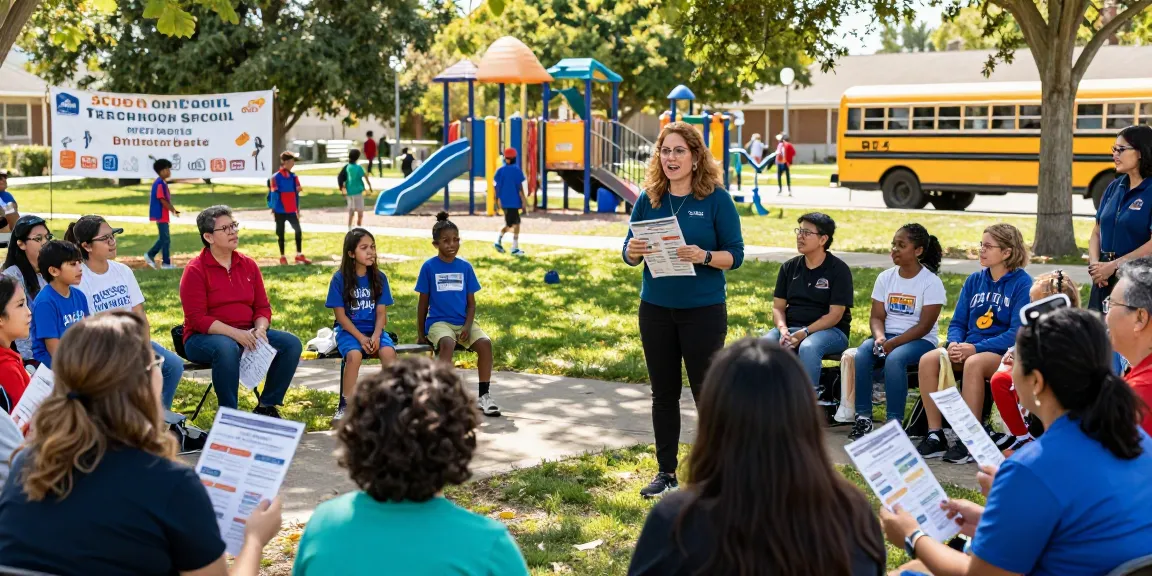
Community engagement has been a cornerstone of Ruta’s efforts. By fostering a network of concerned parents, educators, and students, the campaign seeks to create a collective voice advocating for change. Initiatives such as community meetings, workshops, and educational campaigns are critical for raising awareness about the importance of bus safety and ensuring that families know they have the power to influence safety protocols directly.
Calls to Action for Parents and Local Leaders
Ruta’s campaign doesn’t merely stop at raising awareness; it also calls for actionable steps from parents and local leaders. Parents are encouraged to engage in discussions with school boards, to ask questions about safety protocols, and to demand more comprehensive safety measures that reflect current best practices. Local leaders are urged to consider how existing standards can be adapted to meet the evolving needs of students and families.
Analyzing Historical Data on School Bus Incidents
Understanding the history of school bus incidents is essential for grasping the need for improved safety measures. Analyzing trends over the years can provide valuable insights into the effectiveness of current practices and highlight areas that need attention.
Trends in School Bus Accidents Over the Years
Between 1990 and 1995, Canada saw an average of over 1,000 school bus crashes annually, leading to more than 100 student injuries in some years. While many of these accidents were minor, they illustrate the ongoing risks associated with school transportation. A closer examination of this data reveals that even though fatalities are rare, injuries still occur, prompting the need for a continued focus on improving safety standards.
Statistics on Injuries and Prevention Strategies
Statistics show that children who take the school bus are significantly less likely to sustain injuries compared to those who commute by car or walk. This strong safety record is often used as an argument against major changes to school bus safety protocols. However, as Ruta and her supporters assert, there remains a responsibility to enhance safety measures even further in light of new research and technology that could minimize injuries even more effectively.
Comparative Analysis of Safety Between Different Transport Methods
When comparing the safety of school buses to other forms of transportation, data consistently indicate that school buses remain among the safest. Nevertheless, the infrequency of accidents does not eliminate the need for improvement. As Ruta emphasizes, “doing well shouldn’t stop us from doing better,” a sentiment echoed by many safety advocates who believe in the necessity of ongoing advancements in safety protocols.
Innovative Approaches to Enhancing School Bus Safety
With the ongoing advancements in technology and safety research, innovative approaches to school bus safety are becoming more prevalent. Addressing current limitations and exploring new solutions is crucial for enhancing passenger safety.
Debate on Mandatory Seat Belts for Students
The debate surrounding the implementation of mandatory seat belts on school buses is one of the most discussed topics in safety advocacy today. While Transport Canada has indicated that existing evidence does not strongly support the idea that three-point seat belts would significantly improve school bus safety, there are compelling arguments made by advocates for their inclusion. These advocates suggest that in certain situations, such as high-impact crashes, seat belts could offer a additional layer of protection that should not be overlooked.
Emerging Technologies and Their Potential Impact
As technology continues to advance, emerging solutions such as real-time monitoring systems, GPS tracking, and enhanced communication tools are being explored for their potential to improve school bus safety. These technologies not only monitor bus locations but can also track driver behavior, ensuring adherence to safety protocols and encouraging responsible driving practices. Investments in these technologies may pave the way for higher safety standards in the future.
Future Regulations and Safety Standards for School Buses
Future regulations governing school bus safety are likely to adapt as new data and technologies emerge. Ongoing discussions among policymakers, safety advocates, and transportation professionals will shape the landscape of school transportation safety. It is incumbent upon these stakeholders to collaborate and ensure that regulations reflect the most current understanding of safety needs.
Community-Led Initiatives and Support Systems
Grassroots efforts and community-led initiatives can significantly contribute to enhancing school bus safety. These initiatives not only focus on policy changes but also seek to improve awareness and provide support systems for families concerned about the safety of their children.
Success Stories from Other Regions and Their Outcomes
In regions where school bus safety advocacy has gained traction, significant improvements have been observed. For example, some communities have successfully implemented seat belt policies and have seen a notable reduction in injuries resulting from accidents. These success stories provide a roadmap for other communities looking to enhance their safety standards.
Ways to Foster Dialogue Between Families and Authorities
Creating open lines of communication between families and authorities is essential for fostering a culture of safety. Regular forums, surveys, and community meetings allow parents to voice their concerns and contribute to policy discussions. Enhanced dialogue ensures that families feel heard and increases transparency in how safety measures are managed.
Implementing Ongoing Safety Training for Drivers
One of the key elements of school bus safety is ensuring that drivers are adequately trained and prepared for emergencies. Implementing ongoing safety training programs that include regular updates on best practices can significantly enhance driver performance and, in turn, improve student safety on the bus. Organizations that prioritize this type of training demonstrate a commitment to maintaining high safety standards.
What Are the Key Improvements Needed for School Buses?
Improving school bus safety involves a multifaceted approach. Key areas that require attention include the introduction of safety constraints such as seat belts, upgrading driver training programs, and leveraging technology to monitor compliance with safety protocols. Each of these improvements can contribute to reinforcing the overall safety network that protects children during their commutes.
How Can Parents Advocate for Better Safety Measures?
Parents can play an influential role in advocating for better safety measures by staying informed about existing practices and actively participating in community discussions. Building coalitions with other concerned parents can amplify their voices and encourage local authorities to adapt safety protocols. Advocacy can include organizing petitions, attending school board meetings, and engaging with local policymakers to highlight the importance of safety in school transportation.
What Role do Policy Makers Play in School Bus Safety?
Policymakers hold the power to influence change through legislation and regulation. Their support is crucial in ensuring that the most effective safety measures are prioritized and adopted at the local, provincial, and national levels. By listening to the concerns expressed by educators, parents, and advocates like Jodi Ruta, policymakers can implement informed solutions that provide robust protection for young passengers.
What Resources Are Available for Parents Concerned About Bus Safety?
Various resources are available for parents who wish to learn more about school bus safety. Organizations focused on child safety often provide guidelines and toolkits for parents to understand their rights and responsibilities when it comes to school transportation. Websites, community forums, and local safety initiatives can also serve as valuable resources for parents seeking to engage with safety discussions.
How Can Schools Improve Communication Around Safety Protocols?
Schools can enhance communication regarding safety protocols by providing clear, accessible information to parents and guardians. Regular updates, safety briefings, and transparent reporting of incidents can build trust within the community. Schools that prioritize clarity in their communication foster a safer environment where families feel confident about their children’s school transport.
What Future Trends Should We Watch in School Transportation Safety?
The landscape of school transportation safety is likely to evolve in the coming years. Trends such as increased advocacy for stricter regulations, integration of advanced safety technologies, and greater community involvement will shape how safety protocols are developed and enforced. Staying informed about these trends will be crucial for all stakeholders committed to ensuring the well-being of children during their everyday commutes.