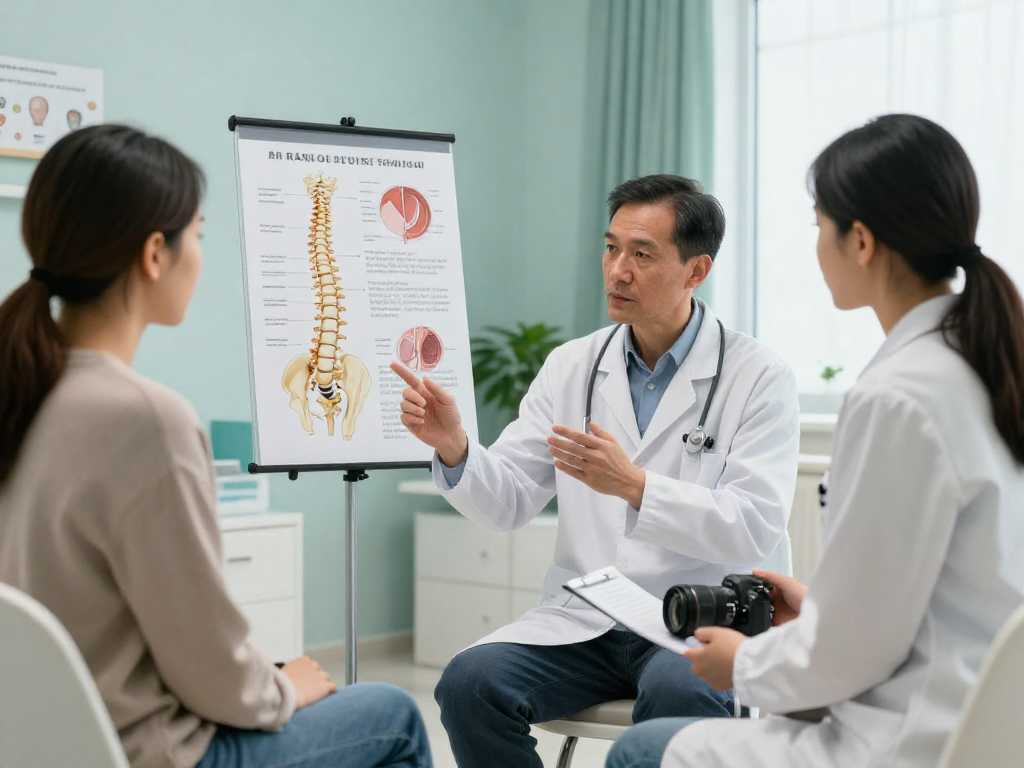
Understanding Spinal Stenosis and Dar Kanal Ameliyatı
Spinal stenosis, commonly referred to in medical terms as "dar kanal," is a condition characterized by the narrowing of the spinal canal, which can result in significant discomfort and mobility issues for those affected. This narrowing can lead to compression of the spinal cord and nerve roots, resulting in symptoms such as chronic pain, numbness, weakness, and impaired mobility. There are various treatment options available, with Dar kanal ameliyatı being one of the most effective surgical interventions for individuals suffering from this condition.
What is Spinal Stenosis?
Spinal stenosis occurs when the spaces within the spine narrow, putting pressure on the spinal cord and nerves. This condition can occur in any part of the spine, including the cervical (neck), thoracic (mid-back), or lumbar (lower back) regions. The changing dynamics of the spine as individuals age contribute to this condition. Factors such as aging, arthritis, disc degeneration, and certain inherited conditions can lead to the development of spinal stenosis.
Symptoms Associated with Spinal Stenosis
The symptoms of spinal stenosis can vary based on the location and severity of the condition. Common symptoms include:
- Lower back pain or neck pain
- Numbness or tingling in the arms or legs
- Weakness in the limbs
- Difficulty with balance and coordination
- Pain that worsens with activity and improves with rest
As the condition progresses, the intensity of these symptoms can significantly impact an individual's quality of life.
Reasons for Choosing Dar Kanal Ameliyatı
The primary motivation for undergoing Dar kanal ameliyatı is to alleviate the pressure on the spinal cord and nerves caused by the narrowing of the spinal canal. When conservative treatments such as physical therapy, pain management, and lifestyle modifications fail to provide relief, surgical options may be necessary to restore function and improve quality of life. Surgery can provide significant pain alleviation, reduce numbness, and improve mobility, allowing individuals to return to their normal daily activities.
Types of Dar Kanal Ameliyatı Procedures
When considering surgical options for spinal stenosis, it is essential to understand the different types of procedures available.
Open vs. Minimal Invasive Techniques
Open surgery involves a larger incision and more extensive manipulation of the spinal structures, whereas minimal invasive techniques utilize smaller incisions and specialized instruments to minimize muscle and tissue damage. Minimal invasive surgery is often associated with reduced recovery times and less postoperative pain compared to traditional open surgical methods.
Vidalı vs. Vidasız Approaches
Dar kanal ameliyatı can be performed using two primary approaches: the vidalı (screw fixation) method and the vidasız (screwless) technique. The choice between these techniques depends on various factors, including the patient's clinical condition and the specific anatomical challenges presented by their spinal stenosis. Vidasız approaches prioritize preserving the integrity of surrounding tissues and may offer quicker recovery times.
Patient Selection Criteria for Each Procedure
Criteria for selecting the appropriate surgical approach include the severity of the stenosis, the presence of instability in the spine, and the overall health and age of the patient. Radiographic analysis, including MRI and dynamic imaging, aids in determining the suitable surgical method. Understanding these parameters ensures that patients receive the most efficacious and safe treatment possible.
Recovery and Rehabilitation after Dar Kanal Ameliyatı
Post-surgical recovery is a critical aspect of the overall treatment process for spinal stenosis. Patients are typically advised on a tailored rehabilitation plan to optimize outcomes.
Expected Recovery Timeline
Recovery times vary depending on the type of surgery performed and the individual patient. Patients who undergo minimal invasive surgery may experience a quicker return to everyday activities, often discharged within a day. Traditional open surgeries may require a longer hospital stay and recovery period. Generally, patients start to notice improvement in their symptoms within weeks of the procedure but may take several months to fully rehabilitate.
Physical Therapy Recommendations
Engaging in physical therapy post-surgery is crucial for rebuilding strength and improving mobility. A comprehensive rehabilitation program focuses on gradually increasing activity levels and includes:
- Strengthening exercises for the back and core muscles
- Flexibility training to enhance range of motion
- Postural training to prevent future episodes of stenosis
Managing Pain and Discomfort Post-Surgery
It is common to experience some discomfort following Dar kanal ameliyatı. Pain management strategies may involve medications, ice therapy, and gentle movement. Patients should communicate openly with their healthcare providers about their pain levels to receive appropriate adjustments to their pain management plans.
Potential Risks and Complications
As with any surgery, there are inherent risks associated with Dar kanal ameliyatı that patients should be aware of.
Common Complications Associated with Dar Kanal Ameliyatı
Though surgical interventions can significantly alleviate symptoms, complications can occur. Common risks include:
- Infection at the surgical site
- Bleeding
- Persistent pain or new neurological symptoms
- Recurrent stenosis necessitating revision surgery
Reoperation Risk: What to Expect
The risk of reoperation, or revision surgery, can be influenced by several factors, including the technique used and the individual patient's health. Patients often inquire about the likelihood of experiencing spinal stenosis again after surgery. While direct recurrence of stenosis at the surgical site is uncommon, new stenosis can develop over time in other areas of the spine due to ongoing degenerative changes.
How to Minimize Surgical Risks
To mitigate risks associated with Dar kanal ameliyatı, thorough preoperative assessment and individualized care pathways are essential. Patients should adhere to pre-surgical instructions, disclose any health conditions, and avoid medication that can increase bleeding risk. Post-surgery, following rehabilitation protocols diligently can further decrease the likelihood of complications.
Cost Considerations for Dar Kanal Ameliyatı
Understanding the financial implications of Dar kanal ameliyatı is important for prospective patients seeking treatment.
Understanding Pricing Structures with Insurance
Costs associated with Dar kanal ameliyatı can vary widely based on factors such as the surgical facility, healthcare provider fees, and whether the patient has health insurance. Those covered by government insurance or private health plans may find that much of their costs are covered, but out-of-pocket expenses can still arise depending on the individual's policy.
Private vs. Public Healthcare Costs
In some regions, private healthcare facilities may offer quicker access to surgical procedures but often at a higher price. Public healthcare systems may have longer wait times but can provide care at reduced rates for eligible patients. It is important for patients to weigh these options carefully.
Financial Planning for Surgery
Planning financially for surgery includes understanding all potential costs, including pre-operative assessments, surgery fees, post-operative care, and rehabilitation sessions. Engaging with financial advisors or hospital billing departments can help individuals set realistic budgets for their surgical journey.
What is the success rate of Dar Kanal Ameliyatı?
The success rate of Dar kanal ameliyatı is generally high, with many patients experiencing significant relief from symptoms and improved mobility levels. Factors influencing success include the type of surgery performed, patient health, and adherence to postoperative rehabilitation.
Can spinal stenosis occur again after surgery?
While the specific site of surgery is typically not subject to re-narrowing, spinal stenosis can develop at other levels over time, necessitating ongoing monitoring and preventive care.
What are the signs of complications after Dar Kanal Ameliyatı?
Signs of complications may include increased pain, fever, difficulty moving limbs, or loss of bowel or bladder control. Patients should communicate any concerning symptoms to their healthcare provider immediately.
How long is the recovery period for Dar Kanal Ameliyatı?
Recovery periods vary, but many patients begin to experience significant improvements within a few weeks. Full recovery may take several months, contingent upon surgical approach and overall health.
Is physical therapy necessary after Dar Kanal Ameliyatı?
Yes, physical therapy is a crucial component of recovery, helping to restore strength, flexibility, and function.. Additionally, Dar kanal ameliyatı provides further details.