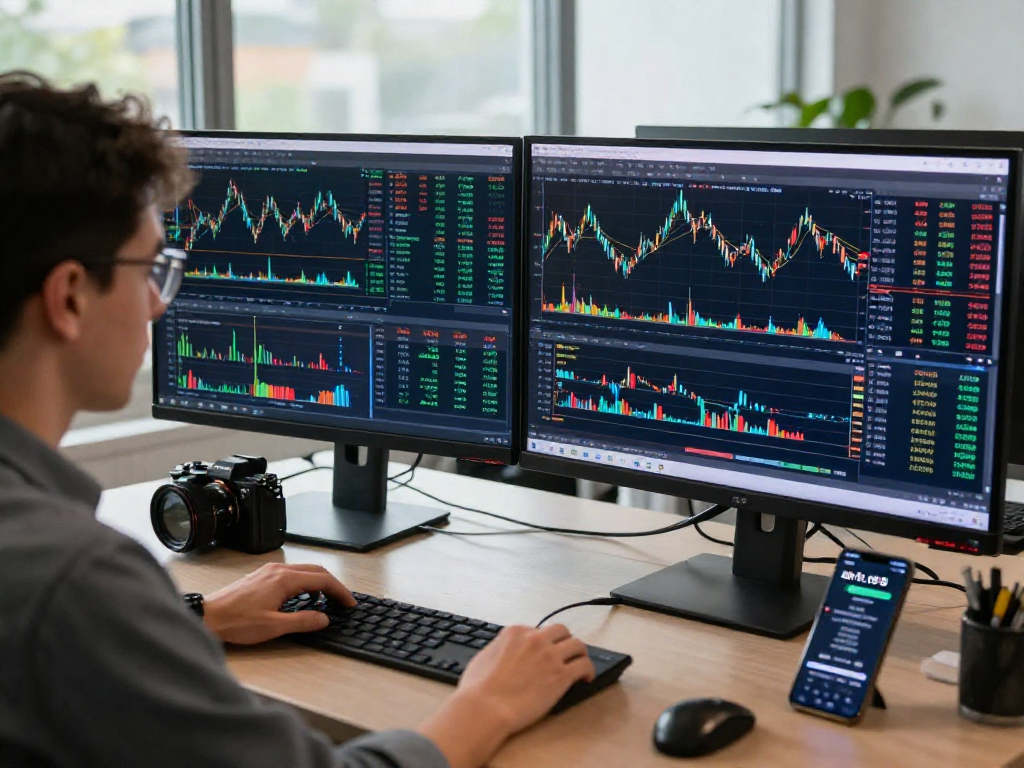
Understanding the CME Exchange Futures Data Feed
The CME Exchange Futures Data Feed is a vital resource for investors, developers, and institutions working in the financial markets. This data feed provides the granular insights necessary to understand market movements, fluctuations, and trends in real time. By offering a robust infrastructure that supports quantitative trading systems, the CME exchange futures data feed helps users unlock insights and implement advanced trading strategies. Whether you're a developer integrating trading platforms or a researcher conducting market analysis, leveraging this data feed can significantly enhance decision-making processes in the fast-paced world of futures trading. Additionally, CME exchange futures data feed offers comprehensive insights into market depth, volume, and tick-by-tick data that is essential for accurate trading analysis.
What is the CME Exchange Futures Data Feed?
The CME Exchange Futures Data Feed is a service that provides market participants with access to real-time futures market data. This includes prices, bid/ask spreads, volume, open interest, and other key indicators that are essential for traders and analysts. In a market where seconds matter, the CME data feed delivers data with millisecond latency, ensuring that users have the most current information at their fingertips. Such comprehensive coverage is crucial for making informed trading decisions, particularly in an environment characterized by rapid price movements and volatility.
Key Features of CME Futures Data
- Real-Time Quotes: Access to live pricing data ensures traders can execute orders at optimal prices.
- Market Depth: Detailed Level 2 market data showing not only the best bid and ask prices but also the volume at various price levels helps in gauging market sentiment.
- Volume and Open Interest Data: Understanding the total number of contracts that are active in the market provides insights into market activity and potential reversals.
- Tick-by-Tick Data: This granular level of detail allows for in-depth analysis and algorithmic trading strategies.
- Comprehensive Sector Coverage: Includes vital sectors such as energy, metals, and agriculture, each with distinctly different behaviors and market dynamics.
How the Data Feed Supports Trading Strategies
Effective trading strategies rely heavily on accurate and timely data. The CME Exchange Futures Data Feed provides the necessary information to enhance both manual and algorithmic trading approaches. For quantitative traders, having access to tick-by-tick data allows for the development of sophisticated algorithms that can react to market changes in microseconds. Traditional traders also benefit from real-time data, as it helps them adjust their strategies based on current market conditions rather than relying on outdated information.
Benefits of Using a Real-Time Data Feed
Real-time data feeds like the CME Exchange Futures Data Feed offer numerous advantages that can enhance trading performance and decision-making capabilities. By utilizing these feeds, traders and institutions can capitalize on their unique features to gain a competitive edge.
Increased Trading Efficiency and Accuracy
One of the primary benefits of using a real-time data feed is the increase in trading efficiency. Traders can react to market movements instantaneously, executing orders at the best available prices. This precision minimizes slippage and enhances the potential for profitable trades.
Enhanced Market Analysis Capabilities
With access to in-depth market data, traders can conduct more thorough analyses. The availability of historical data alongside real-time insights allows for the identification of patterns and trends, enhancing the trader’s ability to anticipate market movements.
Comparative Advantages Over Delayed Data
In contrast to delayed data feeds, real-time feeds eliminate the risk of acting on outdated information. Such discrepancies can lead to significant losses, particularly in volatile markets where price movements can be rapid and unpredictable. By using a real-time feed, traders can ensure they are making decisions based on the most accurate information available.
Common Challenges with Futures Data Implementation
While the benefits of real-time data feeds are numerous, implementing these systems often comes with its own set of challenges. Understanding these issues can help users navigate the complexities associated with data integration.
Data Latency Issues and Solutions
Even the fastest systems can experience latency issues, which can result in outdated data being presented to traders. To mitigate these risks, organizations must invest in high-quality infrastructure and ensure they have reliable internet connections. Additionally, employing multiple data sources can help triangulate information, reducing reliance on a single data feed.
Understanding the Complexity of Data Integration
Integrating new data feeds into existing systems can be a complex task. Developers must ensure that their architecture can handle the influx of data without compromising the performance of their trading platforms. Proper planning and testing are vital to creating a seamless integration experience.
Training Teams to Utilize Data Effectively
Data is only as valuable as the insights that can be derived from it. Training teams to interpret data correctly and utilize analytical tools effectively is crucial for maximizing the benefits of a real-time data feed. Regular training and updates on new features can empower teams to make data-driven decisions confidently.
Best Practices for Leveraging the CME Data Feed
To fully benefit from the CME Exchange Futures Data Feed, users can implement certain best practices that ensure optimal utilization of the data provided.
Integrating Data into Existing Trading Platforms
Successful integration requires a thorough understanding of both the data feed and the existing trading infrastructure. Using APIs effectively can facilitate this process, enabling seamless data flow and real-time updates.
Utilizing API for Advanced Trading Strategies
The CME Exchange Futures Data Feed comes with robust API support, allowing developers to tailor their applications. Advanced trading strategies like algorithmic trading and portfolio management can be significantly enhanced through custom API integration.
Monitoring and Adjusting Trading Parameters
Traders must continuously monitor their strategies and be willing to adjust parameters based on the live data being received. This adaptability can mean the difference between profit and loss in quickly changing market conditions.
Future Trends in Futures Data Management
The landscape of futures data management is continually evolving, driven by technological advancements and changing market dynamics. Staying abreast of these trends can provide valuable insights for traders and institutions alike.
Emerging Technologies in Real-Time Data Processing
Technologies such as machine learning and artificial intelligence are increasingly being leveraged to analyze market data in real time. These innovations can identify trends and anomalies much faster than traditional methods, enabling more strategic trading decisions.
Predictions for the Future of Trading Data Feeds
As markets become more complex, the demand for sophisticated trading data feeds will only grow. Future feeds may incorporate more contextual information, including social media sentiment and macroeconomic indicators, providing traders with a more comprehensive view of potential market movements.
How to Stay Ahead in a Rapidly Evolving Market
Consistency in education and technological adaptation will be crucial for remaining competitive. Traders should regularly attend workshops and webinars, and invest in new technologies that can enhance their trading capabilities. Building a robust network of other traders can also provide insights into successful practices and emerging trends.
What are the potential risks of futures data feeds?
While data feeds are invaluable, they do carry risks such as over-reliance on automated strategies that could fail due to unforeseen market conditions. It is essential for traders to maintain a balance between automation and discretion in their trading decisions.
Can small traders benefit from the CME Exchange Futures Data Feed?
Absolutely! Small traders can leverage the CME data feed to access the same quality of information as larger institutional traders. This levels the playing field, allowing individual traders to benefit from real-time insights that can enhance their trading strategies.
What industries primarily use futures data feeds?
The primary users of futures data feeds include financial institutions, hedge funds, asset management companies, commodity traders, and even corporations that rely on futures for hedging purposes. Additionally, research institutions and academic entities utilize this data for analytical studies and market research.
How does latency in data affect trading outcomes?
Latency in data delivery can have significant repercussions on trading outcomes. Even minor delays can lead to missed opportunities or execution at unfavorable prices, especially in high-frequency trading scenarios where timing is critical.
What factors should be considered when choosing a data feed provider?
When selecting a data feed provider, traders should consider factors such as data reliability, speed, coverage of markets and asset classes, customer support, and cost. A thorough evaluation of these elements ensures that traders choose a provider that meets their specific needs and objectives.