
Understanding Community Advocacy
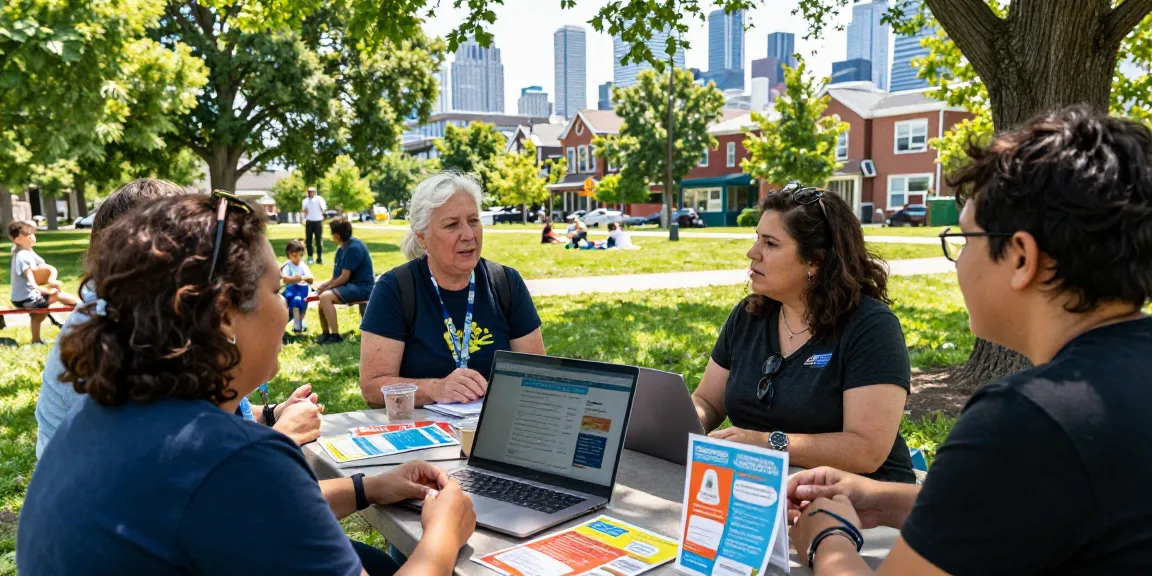
Community advocacy plays a pivotal role in fostering social change and addressing local issues. Particularly in urban centers like Toronto, advocates serve as a bridge between marginalized populations and essential services. They not only amplify the voices of those they represent but also facilitate access to resources and support systems. As noted by various experts, effective community advocacy requires understanding the unique challenges faced by different demographics, as well as leveraging the strengths and resources available within the community.
What is Community Advocacy?
At its core, community advocacy is about championing the causes that matter to local populations. This can encompass various activities, from organizing community meetings to push for policy changes, to working directly with individuals to secure services. Advocates often focus on social justice issues, including housing, healthcare, and education, striving to eliminate barriers that prevent individuals from accessing these fundamental rights.
The Role of Advocates in Toronto
In Toronto, community advocates like Karen McCleave Toronto engage with a diverse array of stakeholders. These may include non-profit organizations, governmental bodies, and local businesses. Advocates not only identify pressing community issues but also work collaboratively to develop strategic solutions. Their involvement can significantly impact policy formulation, ensuring that the needs of the community are represented in decision-making processes.
Challenges Faced by Community Supporters
Despite their essential role, community advocates often encounter numerous challenges. Limited funding, high demand for services, and systemic barriers within the organizational structures can hinder their efforts. Moreover, navigating the complexities of governmental regulations and policies adds another layer of difficulty.
Identifying Key Issues in Toronto Communities
To effectively advocate for a community, it is crucial to understand its unique needs and challenges. This involves not only assessing immediate concerns but also considering long-term goals and aspirations of the residents.
Mapping Local Needs and Resources
One of the first steps in community advocacy is mapping out local needs. This can be achieved through surveys, focus groups, and community forums. By engaging directly with residents, advocates can gather valuable insights into the issues they face daily. Furthermore, identifying local resources—such as food banks, shelters, and healthcare facilities—can empower advocates to connect individuals with the support they need.
Understanding Demographics and Cultural Considerations
Toronto is renowned for its cultural diversity, which enriches the community but also introduces complexity into advocacy efforts. Understanding the various demographics present is crucial for effective advocacy. Programs that are culturally sensitive and equitable are more likely to succeed in meeting community needs. This understanding aids in tailoring outreach strategies that resonate with different groups.
Community Feedback Mechanisms
Feedback mechanisms are vital for understanding the effectiveness of advocacy efforts. Regularly soliciting input from community members can help advocates adjust their strategies and services to better meet local needs. This could include online surveys, suggestion boxes, or community advisory boards, ensuring that a broad range of voices is heard and considered.
Effective Strategies for Sustainable Support
Building sustainable support in community advocacy requires innovative approaches that can adapt to changing circumstances.
Building Lasting Relationships with Stakeholders
Establishing strong, trusting relationships with stakeholders is essential for long-term success. This includes not only partnerships with local organizations and governments but also with the community members themselves. Engaging in open dialogue and maintaining transparency fosters goodwill and collaboration.
Innovative Fundraising Techniques for Community Projects
Innovation in fundraising can significantly enhance support for community projects. Consider leveraging technology for crowdfunding campaigns or hosting community events that not only raise funds but also awareness. Incorporating social media strategies can help reach broader audiences and inspire action.
Leveraging Digital Tools for Engagement
In the digital age, technology can be a powerful ally in community advocacy. Digital tools such as social media, mobile apps, and websites can enhance communication and engagement with community members. Creating a robust online presence allows advocates to disseminate information quickly, mobilize support, and keep stakeholders informed about ongoing initiatives.
Measuring Success and Impact
To ensure that advocacy efforts are truly making a difference, it is imperative to measure success effectively. This involves defining clear metrics and regularly evaluating the impact of initiatives.
Defining Key Performance Indicators for Advocacy
Establishing key performance indicators (KPIs) can help advocates track their progress and effectiveness. These may include metrics such as the number of individuals served, community engagement levels, or the successful implementation of policy changes. Defining these indicators at the outset allows for consistent evaluation against defined goals.
Case Studies of Successful Initiatives
Examining successful case studies within the community can provide valuable lessons. Analyzing what worked and what didn’t in previous initiatives allows advocates to refine their strategies. Furthermore, sharing these insights can inspire new advocates and organizations to pursue similar goals.
Adapting Strategies Based on Feedback and Results
Flexibility is key in effective advocacy. Advocates must be willing to adapt their strategies based on feedback and results from their initiatives. Regularly reviewing outcomes and staying responsive to community needs can help ensure that efforts remain relevant and impactful.
The Future of Community Advocacy in Toronto
Looking ahead, community advocacy will continue to evolve, shaped by emerging trends and changes in societal dynamics.
Emerging Trends and Technologies for 2026
As we move towards 2026, several trends are likely to reshape community advocacy. Increased reliance on technology for engagement and advocacy campaigns is anticipated. Moreover, the trend of grassroots movements gaining traction will continue as communities seek to assert their rights and needs more vocally.
Policy Changes Impacting Community Support
Developments in policy at the municipal, provincial, and federal levels will undoubtedly affect community support initiatives. Advocates must stay informed about these changes and adapt their strategies accordingly. This ongoing engagement with policy issues allows for more precise advocacy efforts that align with government objectives.
Fostering Resilience in Changing Environments
In a rapidly changing world, fostering resilience within communities will be crucial. Advocacy efforts should focus not only on immediate needs but also on equipping communities with the skills and resources to withstand challenges. This forward-thinking approach will prepare communities to navigate future uncertainties effectively.
What are the core responsibilities of community advocates?
Community advocates are responsible for representing their communities, identifying local issues, connecting individuals with resources, and driving policy changes. Their work is rooted in understanding the needs of the community and ensuring that those voices are heard in relevant discussions.
How can technology enhance community engagement?
Technology enhances community engagement by facilitating communication and providing platforms for collaboration. Social media, mobile applications, and online forums allow advocates to reach wider audiences, gather feedback, and share information quickly and effectively.
What are the best practices for fundraising in advocacy?
Best practices for fundraising in advocacy include building relationships with donors, creating compelling narratives about the cause, leveraging technology for outreach, and organizing engaging fundraising events. It is essential to communicate transparently about how funds will be used and the impact they will have.
How can community supporters measure their impact effectively?
Community supporters can measure their impact through defined key performance indicators, regular feedback from community members, and analysis of qualitative and quantitative data. This approach allows for a nuanced understanding of the effectiveness of their initiatives.
What future trends should community advocates be aware of?
Community advocates should be mindful of technological advancements, shifts in public policy, and the growing importance of sustainability. Understanding these trends will help advocates remain relevant and effective in their efforts to support their communities.
