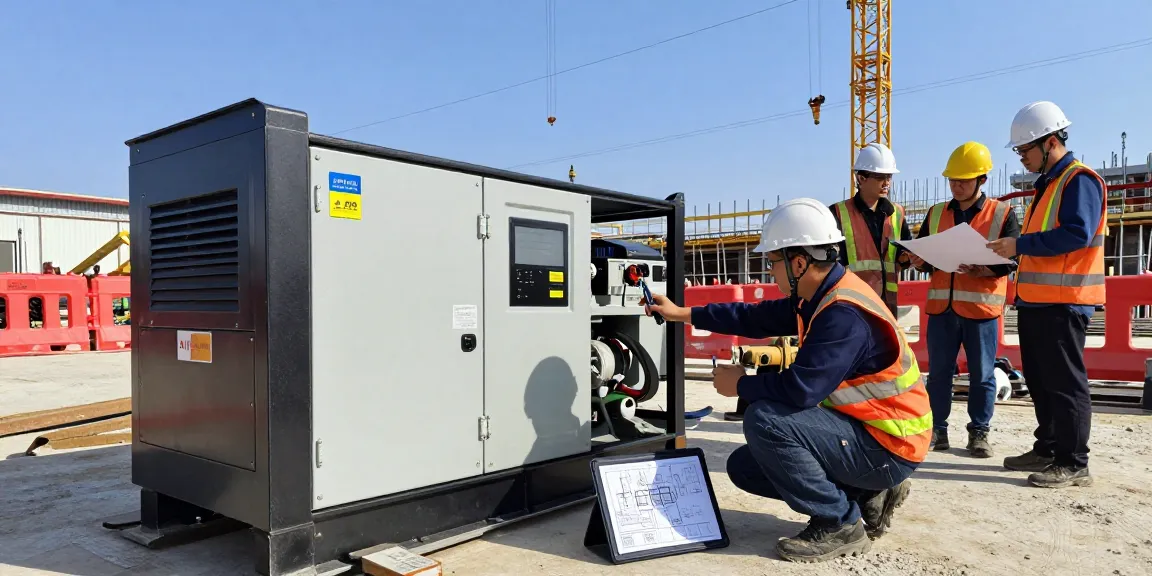
Understanding Industrial Generator Solutions
In an era where energy reliability and sustainability are paramount, industrial generator solutions emerge as essential components for various industries. From construction sites to hospitals, industrial generators provide critical backup power, ensuring operations continue uninterrupted even during outages. Understanding the intricacies of industrial generators can empower businesses to make informed decisions that meet their specific energy needs.
What Are Industrial Generators?
Industrial generators are robust power generation systems designed to deliver high-capacity energy solutions. Unlike smaller residential models, industrial generators are engineered to support substantial loads and maintain continuous operations. They are often employed in sectors that cannot afford power interruptions, such as manufacturing, healthcare, and data centers.
These generators can be powered by various fuels, including diesel, natural gas, and renewable energy sources. The choice of fuel impacts both performance and environmental considerations, making it crucial for businesses to evaluate their operational contexts before selecting a generator.
Benefits of Industrial Generator Solutions
- Reliability: Industrial generators are designed to operate under extreme conditions, ensuring that they provide a reliable source of power even in emergencies.
- Customization: Many manufacturers offer customizable options, allowing businesses to tailor their generators to specific operational needs, such as load requirements and environmental conditions.
- Scalability: As businesses grow, their energy needs may change. Industrial generator solutions can be scaled easily, whether by adding more units or selecting larger systems.
- Cost-Effectiveness: Investing in an industrial generator can lead to significant savings by preventing revenue loss during power outages and reducing downtime.
Key Applications Across Industries
Industrial generator solutions have a wide array of applications across various sectors:
- Construction: Temporary power for tools and equipment on job sites.
- Healthcare: Ensuring uninterrupted power for critical medical infrastructure such as hospitals and clinics.
- Manufacturing: Providing backup power for production lines to minimize losses during electrical failures.
- Data Centers: Supporting essential IT infrastructure where continuous uptime is crucial.
Choosing the Right Generator for Your Needs
Selecting the appropriate industrial generator is pivotal for ensuring operational effectiveness and cost efficiency. Several factors must be assessed before making a decision.
Factors to Consider in Selection
- Load Requirements: Understanding the total wattage of equipment that needs to be powered is fundamental to choosing a generator with adequate capacity.
- Fuel Type: The fuel source (diesel, gas, or alternative energy) can affect performance, cost, and carbon footprint.
- Operational Environment: If the generator will be placed in extreme conditions, it should be designed for that environment, considering temperature, humidity, and air quality.
- Frequency of Use: Determine whether the generator will be used intermittently or as a primary power source; this impacts fuel efficiency and wear.
Comparing Diesel vs. Gas Generators
When choosing between diesel and gas generators, businesses must weigh the pros and cons of each option:
- Diesel Generators: Generally offer higher fuel efficiency and longevity, making them ideal for high-load and long-duration applications. However, they may have higher emissions and require more maintenance.
- Gas Generators: Typically have lower initial costs and emissions, making them environmentally friendly. They are often quieter and can be used in residential areas as well. However, they may not be as fuel-efficient under heavy loads.
Customizing Solutions for Different Conditions
Companies like Huaquan Power specialize in providing customized generator solutions tailored to the specific conditions of the operational country. Factors such as temperature, air quality, and humidity levels can significantly influence the performance and reliability of generators. By assessing these criteria, manufacturers can recommend optimized models that align with a business’s specific energy profile.
Installation and Maintenance Best Practices
Proper installation and maintenance are vital to ensuring the longevity and effectiveness of industrial generators. Following best practices can minimize the risk of operational issues and maximize performance.
Steps to Proper Installation
- Site Preparation: Choose a location that allows for proper ventilation and is away from potential hazards.
- Connecting to Power Sources: Ensure appropriate connections to both fuel sources and electrical loads.
- Testing: Conduct thorough testing after installation to confirm that the generator functions correctly under load.
Routine Maintenance Tips for Longevity
- Regular Inspections: Schedule routine checks to assess fluid levels, filters, and overall generator health.
- Scheduled Service: Follow the manufacturer’s guidelines for servicing, including oil changes and part replacements.
- Load Testing: Periodically perform load tests to ensure the generator can handle the required output.
Common Issues and Troubleshooting
Industrial generators can face a variety of challenges that may disrupt performance. Common issues include:
- Fuel Quality: Poor quality fuel can lead to clogging and engine failure.
- Electrical Failures: Connections may corrode or break, requiring immediate attention.
- Cooling System Problems: Overheating can occur if the cooling system is not functioning effectively, risking severe engine damage.
Innovative Trends in Industrial Generator Solutions
The industrial generator landscape is continually evolving, with new technologies enhancing efficiency and sustainability.
Emerging Technologies in Power Generation
Recent advancements include smart technology systems that allow for remote monitoring and diagnostics, improving response times and maintenance scheduling. Furthermore, the integration of IoT and AI offers predictive maintenance capabilities, reducing downtime and repair costs.
The Role of Renewable Energy Integration
Increasingly, businesses seek to integrate renewable energy sources such as solar or wind into their power generation solutions. Hybrid systems that combine traditional generators with renewable sources can significantly reduce environmental impact while still providing reliable energy.
Future Predictions for the Industry in 2026
As we advance toward 2026, market trends suggest a shift towards more environmentally friendly solutions. Key predictions include:
- Increased Adoption of Green Technologies: Expect a rise in hybrid generators and solar integration as businesses prioritize sustainability.
- Regulatory Changes: Stricter regulations around emissions will drive innovations in cleaner generator technologies.
- Enhanced Efficiency Standards: Higher efficiency expectations will push manufacturers to develop more powerful and compact systems.
Success Stories and Client Endorsements
Real-world applications illustrate the effectiveness of industrial generator solutions in various projects. Below are examples that showcase the value of reliable power generation.
Case Study: Powering Construction Projects
In a recent construction project, a multinational company utilized Huaquan’s customized generator solutions to power tools and equipment across multiple job sites. The result was an uninterrupted workflow, reducing project completion time by 15% and minimizing costs associated with downtime.
Testimonials from Industry Leaders
Industry leaders have endorsed Huaquan’s generator solutions for their reliability and efficiency. Feedback from clients highlights how the company’s commitment to understanding operational needs has shaped their energy strategies, leading to significant operational efficiencies.
Highlighting Major Projects and Achievements
Huaquan Power has successfully completed numerous projects worldwide, ranging from powering remote mining operations to supporting critical infrastructure in urban developments. Each project underscores the company’s expertise in delivering tailored industrial generator solutions that meet specific demands.
What are the main benefits of industrial generator solutions?
The main benefits include reliability, customization, scalability, and cost-effectiveness, enabling businesses to maintain operations during power outages.
How can businesses effectively choose their generators?
Businesses should consider factors such as load requirements, fuel types, the operational environment, and the frequency of use to select the most suitable generators.
What maintenance practices should be implemented?
Routine inspections, scheduled servicing, and load testing are essential practices to ensure the longevity and reliability of industrial generators.
What innovative technologies are changing the generator landscape?
Emerging technologies such as remote monitoring, IoT integration, and predictive maintenance solutions are enhancing the efficiency and effectiveness of industrial generators.
What common problems do users face with industrial generators?
Common issues include fuel quality problems, electrical failures, and cooling system malfunctions, all of which require timely attention to prevent operational disruptions.