Understanding the Role of a Northampton Emergency Plumber
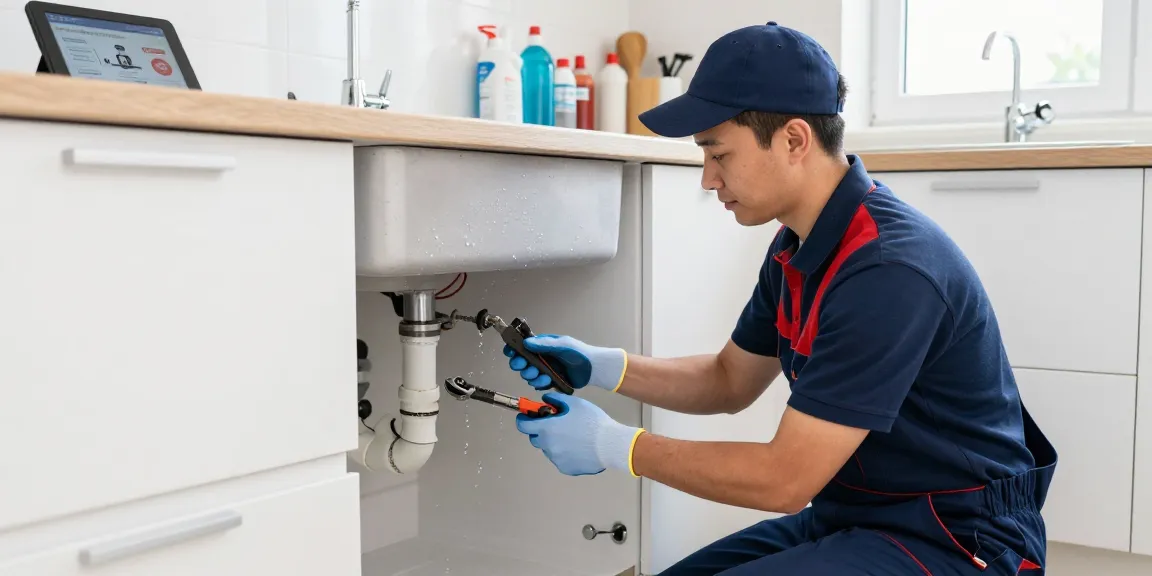
When plumbing issues strike unexpectedly, a Northampton emergency plumber becomes your critical ally. These professionals are trained to handle urgent plumbing situations that can cause significant damage if not addressed promptly. Whether it’s a burst pipe, a malfunctioning water heater, or a severe drain backup, understanding the role of an emergency plumber can help you navigate these stressful times more effectively. Recognizing their expertise and knowing when to call upon these services can save you both time and money during critical moments in your home.
What Does an Emergency Plumber Do?
An emergency plumber provides immediate assistance for plumbing problems that require urgent resolution. Their services often include:
- Repairing burst pipes to prevent flooding.
- Unclogging drains and toilets that are causing backups.
- Fixing broken water heaters to restore hot water.
- Addressing leaking fixtures that may lead to water damage.
- Installing temporary solutions while permanent repairs are arranged.
By quickly diagnosing the issue and implementing effective solutions, a Northampton emergency plumber helps restore function to your plumbing system while minimizing potential damage. For those in need of immediate support, Northampton emergency plumber services are essential.
When to Call for Emergency Plumbing Services?
Knowing when to call an emergency plumber can prevent minor issues from escalating into major problems. Typically, immediate assistance is warranted in the following scenarios:
- A significant leak or burst pipe that poses a flooding risk.
- Overflowing toilets or sewage backups, which can compromise hygiene.
- Loss of hot water in colder months due to heater failure.
- Unusual sounds or smells coming from plumbing fixtures.
- Issues that cannot be resolved with basic DIY methods.
If you’re unsure whether your situation qualifies as an emergency, it’s better to err on the side of caution and consult a professional. Quick intervention can mitigate more extensive damage and repair costs.
Common Plumbing Emergencies in Northampton
Residents of Northampton often encounter specific types of plumbing emergencies, including:
- Pipe Bursts: These can occur due to freezing temperatures, corrosion, or excessive pressure.
- Draining Issues: Clogged drains and toilets can cause significant disruptions and need urgent attention.
- Water Heater Failure: A malfunctioning water heater may leave households without hot water, especially in winter.
- Overflowing Fixtures: Toilets, sinks, and bathtubs can overflow, leading to extensive water damage if not addressed promptly.
Recognizing these common emergencies can help homeowners act quickly and prevent further complications.
Identifying Plumbing Issues Before They Escalate
Preventing plumbing emergencies starts with early detection. Understanding the signs of potential issues can save homeowners from costly repairs down the line.
Signs of Plumbing Problems at Home
Be vigilant about the following indicators of plumbing issues:
- Unusual Sounds: Gurgling or hissing noises from pipes can indicate a blockage or air in the system.
- Water Stains: Discoloration on walls or ceilings can signal a hidden leak.
- Low Water Pressure: Sudden drops in water pressure may indicate a leak or blockage in the pipes.
- Unpleasant Odors: Foul smells can be a sign of sewage problems or decaying food in drains.
How to Assess the Severity of a Leak?
Assessing a leak’s severity is crucial for determining the appropriate response. Begin by:
- Locating the Source: Identify where the leak is coming from and whether it is active.
- Measuring Water Loss: Small leaks may be manageable, while large or rapidly expanding leaks require immediate professional help.
- Checking for Damage: Examine surrounding areas for water damage that may complicate repairs.
If the leak is significant or poses a risk of flooding, contact an emergency plumber without delay.
Tools to Help Identify Plumbing Issues Early
Homeowners can use various tools to monitor and identify plumbing issues, including:
- Moisture Meters: Help detect hidden leaks by measuring moisture levels in walls and floors.
- Pipe Inspection Cameras: These provide a visual confirmation of blockages or damage within pipes.
- Pressure Gauges: These help determine if your water pressure is at the appropriate level without causing stress on your plumbing.
Best Practices for Hiring a Reliable Emergency Plumber
Finding the right emergency plumber is vital for ensuring effective and lasting repairs. Consider using these best practices to streamline your hiring process.
Key Questions to Ask Before Hiring
Before settling on an emergency plumber, ask the following questions:
- What are your qualifications and experience?
- Are you licensed and insured?
- What is your response time for emergencies?
- Can you provide references from past clients?
Importance of Licensed and Insured Plumbers
Hiring a licensed and insured plumber is crucial. Licensing ensures that the plumber has met necessary training and standards, while insurance protects you from liability in case of accidents during the job. Always verify these credentials before hiring anyone.
Comparing Quotes and Services in Northampton
Before making a selection, gather quotes from multiple emergency plumbers in Northampton. Compare their services, response times, and pricing structures to find the best fit for your needs. Ensure that you look beyond price and consider the quality of service provided.
Steps for Immediate Action During Plumbing Emergencies
In the event of a plumbing emergency, knowing how to respond can make a significant difference in damage control.
How to Shut Off Your Water Supply?
Understanding how to shut off your water supply is crucial during emergencies. Locate your main shut-off valve, typically found near your water meter or where the water line enters your home. Turn it clockwise to stop the flow of water to your home.
Temporary Fixes You Can Perform
While waiting for professional help, there are minor repairs you can attempt, such as:
- Using plumber’s tape on small leaks.
- Placing a bucket under a dripping fixture to collect water.
- Temporarily cutting the water supply to a leaking fixture.
Documenting Damage and Calling for Help
It’s essential to document any damage incurred due to plumbing issues, as this can be helpful for insurance claims. Take photos and notes of the situation before calling for professional assistance.
Future Trends in Emergency Plumbing Services
The plumbing industry is evolving due to technology, sustainability, and changing customer expectations. Here are some trends to watch for in 2026.
The Rise of Eco-Friendly Plumbing Solutions
As the environment becomes a pressing concern, more emergency plumbing services will offer eco-friendly solutions. This may include water-efficient fixtures, green plumbing materials, and sustainable waste disposal methods.
Technology Enhancements in Plumbing Services
Emerging technologies, such as IoT devices and smart home systems, will likely play a significant role in plumbing. These tools can alert homeowners to potential plumbing issues before they escalate, allowing for proactive maintenance.
Predicted Changes in Customer Expectations by 2026
In the coming years, customers will expect quicker response times, transparent pricing, and improved communication channels with emergency plumbers. Being informed and responsive will be critical for plumbing businesses to stay competitive.
What should I do first in a plumbing emergency?
Your first step should be to shut off the water supply to prevent further damage. Afterward, assess the situation and document any issues.
How can I prevent plumbing emergencies in my home?
Regular maintenance, timely repairs, and being vigilant about signs of trouble can significantly reduce the risk of plumbing emergencies.
What are the most common plumbing emergencies?
Common emergencies include burst pipes, clogged drains, overflowed toilets, and malfunctioning water heaters.
How do I choose the right emergency plumber?
Research qualifications, verify licenses and insurance, read reviews, and ensure clarity in quotes before making a decision.
What technologies are changing emergency plumbing services?
Technologies such as smart plumbing systems and remote monitoring tools are enhancing service delivery, allowing for proactive management of plumbing conditions.