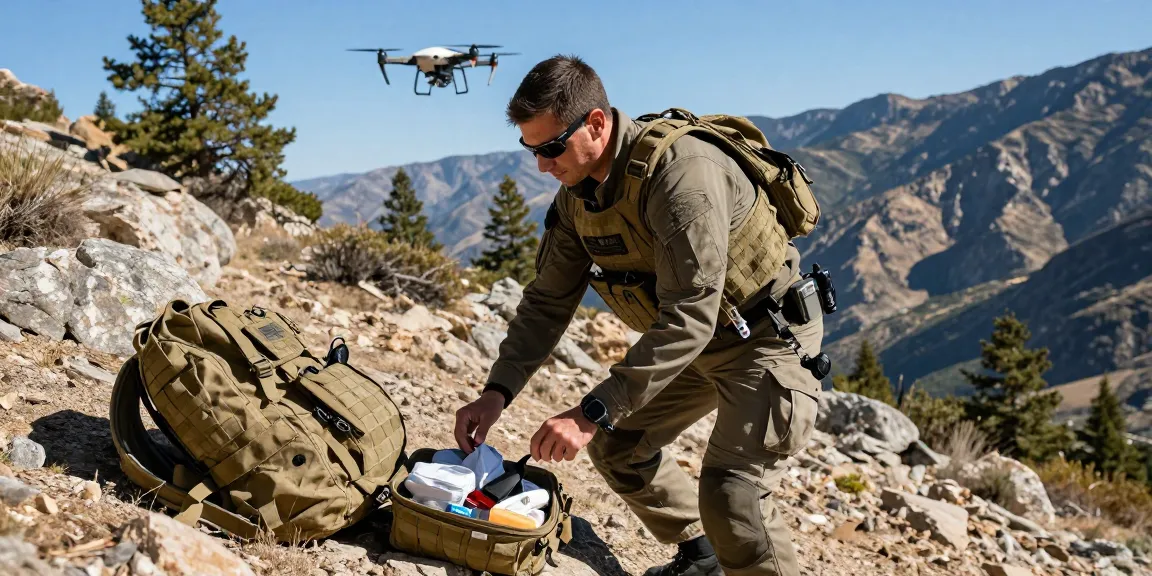
Understanding MOLLE IFAK Systems
In the world of tactical medicine, the MOLLE Individual First Aid Kit (IFAK) system stands out for its versatility and effectiveness. Designed specifically for easy attachment to military gear, backpacks, or tactical vests, these kits have become essential for anyone who prioritizes preparedness in emergency situations. Among the various configurations available, a MOLLE IFAK pouch with tourniquet can significantly enhance your readiness for a range of injuries.
What is a MOLLE IFAK Pouch?
A MOLLE IFAK pouch is a specialized kit designed to hold medical supplies and equipment in a compact, organized manner. The acronym MOLLE stands for Modular Lightweight Load-carrying Equipment, which refers to the webbing system that allows for customizable attachment to tactical gear. These pouches typically come pre-filled with essential medical supplies to manage trauma, ensuring that users can respond quickly and effectively in high-stress situations.
Benefits of Having a MOLLE IFAK with Tourniquet
One of the most critical components of an IFAK is the tourniquet, which can save lives during traumatic bleeding situations. By having a tourniquet integrated into a MOLLE IFAK pouch, users gain several advantages:
- Rapid Access: With intuitive layouts and quick-pull systems, you can access the tourniquet within seconds.
- Portability: The pouch can easily be attached to your tactical gear, ensuring that it’s always within reach.
- Comprehensiveness: A well-stocked IFAK pouch includes a variety of medical supplies alongside the tourniquet, allowing for more comprehensive first aid interventions.
Common Misconceptions About IFAK Gear
There are several misconceptions surrounding IFAK gear that can lead to inadequate preparation:
- IFAKs are only for military personnel: While initially designed for combat scenarios, IFAKs are essential for civilians in various environments, including outdoor activities and urban settings.
- All IFAKs are the same: Not all IFAK pouches offer the same quality or content; choosing one that meets rigorous medical standards is crucial for effective emergency response.
- Training isn’t necessary: Having an IFAK is just the first step; understanding how to use the content effectively can dramatically impact the outcome of an emergency situation.
Essential Features of a Tactical IFAK Kit
When selecting a tactical IFAK kit, understanding its core features can help ensure you make an informed choice. A robust kit should include:
Why Durability Matters in Medical Gear
The environment in which you may need to utilize your IFAK can be unforgiving. Therefore, durability is paramount. Look for kits constructed from military-grade, water-resistant materials such as Cordura fabric. The quality of zippers and the overall build should ensure that your supplies remain secure and dry in adverse conditions.
Must-Have Components for Effective Trauma Management
An effective IFAK should contain critical components for trauma management:
- Tourniquet: Essential for stopping severe bleeding.
- Compression bandages: To control bleeding and apply pressure to wounds.
- Wound closure devices: Such as zip strips for quickly closing lacerations without stitching.
- Splints: For immobilizing broken bones or sprains.
- Chest seals: Used for managing penetrating chest injuries, vital for preventing pneumothorax.
How to Choose the Right Size for Your Needs
Choosing the size of your IFAK is critical to its effectiveness. Assess your environment and potential risks to determine whether a compact kit suffices or if a more comprehensive setup is necessary. For most tactical operations, the MOLLE IFAK pouch with tourniquet strikes a perfect balance between size and capacity.
Real-Life Case Studies and Applications
Understanding how IFAKs have been effectively used in real-life situations provides valuable insights into their importance:
Successful Deployments in Military Operations
Tactical medics in various military operations have successfully utilized IFAKs to stabilize injured personnel before evacuation. The speed and efficiency provided by these kits have drastically reduced mortality rates in combat settings.
Emergency Response Scenarios and Successful Outcomes
In emergency response scenarios, such as natural disasters, rescue workers equipped with IFAKs have been able to administer critical first aid to multiple victims quickly. Their preparedness is often the difference between life and death.
Lessons Learned from Tactical Medical Teams
Tactical medical teams have learned that maintaining readiness through regular training and kit updates is essential. This proactive approach ensures that supplies remain effective and that team members are familiar with their use.
Best Practices for IFAK Maintenance
Maintaining an IFAK is crucial for ensuring its reliability during an emergency. Here are some best practices:
How to Regularly Check and Update Your Supplies
Routine checks of your IFAK should be conducted every six months to ensure that supplies are not expired or damaged. This practice helps in keeping your medical equipment ready for unexpected emergencies.
Storage Solutions for Tactical Readiness
Store your IFAK in an easily accessible location. To enhance readiness, consider using a designated tactical vest or bag that allows for quick access during emergencies.
Tips for Training with Your MOLLE IFAK Kit
Regularly train with your kit to familiarize yourself with the contents and usage techniques. Practice scenarios can build confidence and improve speed in pressure situations.
Future Trends in Tactical Medical Gear
The field of tactical medical gear is continuously evolving, driven by innovation and emerging technologies:
Innovations in IFAK Design and Functionality
Future IFAKs may incorporate smart technology, such as sensors that monitor a user’s vitals or the condition of the medical supplies. Additionally, advancements in materials could make these kits even lighter without compromising durability.
Preparing for Evolving Emergency Scenarios
As emergency scenarios continue to evolve, so must our preparedness. The best IFAK kits will adapt to address new threats, including biological and chemical hazards, ensuring comprehensive readiness.
Predictions for IFAK Technology in 2026
By 2026, we may see IFAKs that offer integrated training modules, allowing users to practice with realistic simulations and receive immediate feedback on their performance. This technology could bring a new level of preparedness to tactical medical training.
What are the Must-Ask Questions Before Purchasing?
- What components are included in the kit?
- Is the kit compliant with medical standards?
- What is the durability rating of the materials?
- How easy is it to access supplies under stress?
How to Effectively Utilize Your IFAK in Crisis Situations?
During a crisis, calmness is key. Ensure you know how to quickly access your IFAK and be familiar with how to use all items efficiently. Practicing with the kit can prepare you to manage injuries effectively when it matters most.
What Should You Refill in Your IFAK Regularly?
Items that should be refilled regularly include sterile dressings, bandages, and any medications that may have expiration dates. Being proactive about restocking can prevent shortages during a critical moment.
Where is the Best Place to Keep Your IFAK?
Your IFAK should be stored somewhere it can be easily accessed in an emergency. Many prefer to keep their IFAK in a vehicle, at home in an emergency kit, or attached to their tactical gear for immediate readiness.
How Can You Integrate Your IFAK with Other Gear?
Consider integrating your IFAK with other tactical gear, such as a hydration system or load-bearing equipment, to ensure that everything is at hand when you need it. Proper integration enhances mobility and effectiveness in the field.