Understanding Custom Mold Services
In today's fast-paced manufacturing environment, companies are continuously looking for ways to enhance efficiency while maintaining quality. Custom mold services have emerged as a critical solution for businesses in various industries, offering tailored solutions that meet specific design and operational needs. This article explores the significance of these services, common pitfalls, best practices, and future trends that manufacturers should consider to stay competitive.
What Are Custom Mold Services?
Custom mold services refer to the specialized, tailored processes involved in creating molds that produce parts and components uniquely designed to meet specific functional requirements. These services encompass various manufacturing methods, including injection molding, blow molding, and compression molding. By leveraging advanced technologies, manufacturers can create high-precision molds that yield high-quality parts quickly and efficiently.
The Importance of Precision in Mold Manufacturing
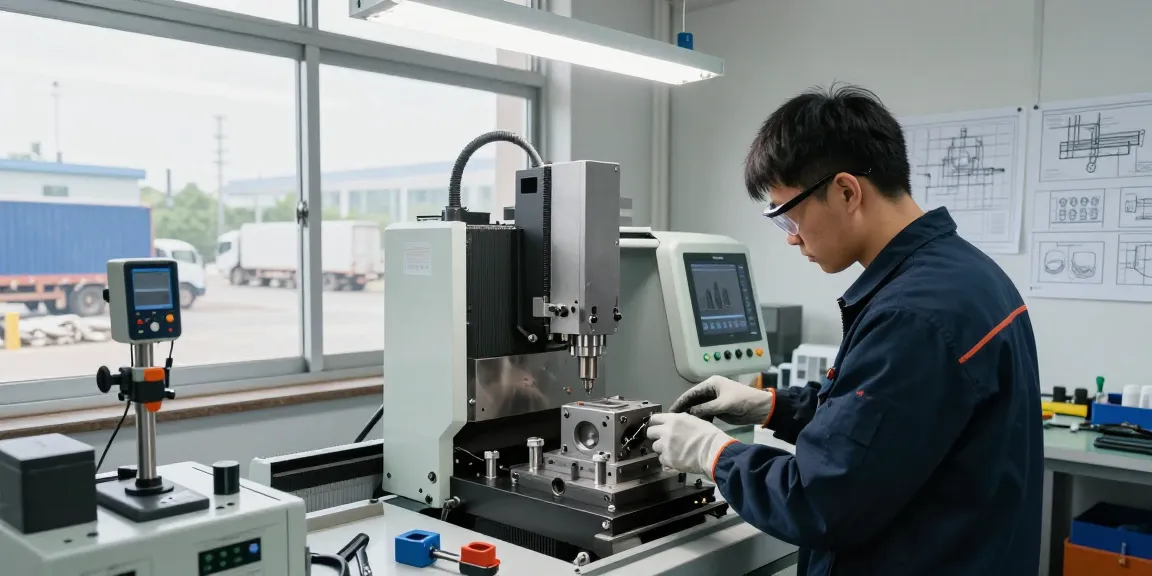
Precision is paramount in mold manufacturing. Any deviation in dimensions or surface finish can lead to significant issues in the final products, including poor fit, finish, and functionality. Effective quality control measures, including rigorous inspection protocols, are essential to ensure that molds are manufactured to exact specifications. Adopting custom mold services with detailed quality assurance processes helps mitigate risks associated with mold defects.
Common Applications of Custom Mold Services
Custom mold services are utilized in a variety of industries, providing innovative solutions for diverse applications. Here are a few notable examples:
- Aerospace: Precision components that meet stringent regulatory standards.
- Automotive: Custom parts for engines, interiors, and safety systems.
- Medical Devices: High-precision parts that comply with health regulations and functional requirements.
- Consumer Electronics: Enclosures and internal components that require complex designs and aesthetics.
Identifying Costly Mistakes in Custom Mold Services
While custom mold services can offer tremendous benefits, several pitfalls can hinder their effectiveness. Understanding these common mistakes can help manufacturers avoid costly setbacks.
Underestimating Material Selection and Its Impact
The choice of material for molds greatly influences the performance, durability, and cost of the final product. Manufacturers often underestimate the critical nature of selecting appropriate materials, leading to issues such as warping or insufficient strength in the molded parts. Comprehensive knowledge of material properties can significantly mitigate these risks.
Neglecting Design Specifications and Tolerances
Each component produced via custom mold services has specific design requirements and tolerances. Neglecting these specifications can result in severe issues during production and assembly, affecting the overall performance of the end product. Collaboration between design and manufacturing teams is essential to ensure that all specifications are accurately translated into the final mold design.
Ignoring Prototype Testing Before Mass Production
Prototype testing is a crucial step in the custom mold manufacturing process. Failing to conduct adequate testing can lead to unforeseen issues once full-scale production begins, causing delays and increased costs. Conducting thorough tests on prototypes allows for adjustments and refinements to be made before mass production, ensuring quality and efficacy.
Best Practices for Custom Mold Services
Implementing best practices in custom mold services can lead to improved efficiency, enhanced product quality, and reduced costs. Below are essential strategies manufacturers should consider:
Engaging in Comprehensive Design Reviews
A comprehensive design review process is vital for successful custom mold manufacturing. This involves collaboration among various teams, including design, engineering, and production, to ensure that every aspect of the mold design meets necessary specifications. Such thorough reviews can identify potential issues before they translate into costly errors.
Choosing the Right Manufacturing Partner
Selecting a manufacturing partner with a proven track record in custom mold services is critical. Companies should evaluate potential partners based on their expertise, technological capabilities, and quality control measures to ensure a successful collaboration. An experienced partner can provide invaluable insights into material selection, design optimization, and quality processes.
Implementing Strict Quality Control Measures
Quality control should be an integral part of the custom mold manufacturing process. Establishing stringent inspection protocols at multiple stages of production helps identify defects early, ensuring that only high-quality molds are produced. Utilizing advanced measuring equipment and techniques can enhance the accuracy and reliability of quality assessments, ultimately improving the end product's quality.
Future Trends in Custom Mold Services
The landscape of custom mold services is evolving rapidly due to technological advancements and changing consumer demands. Here are some trends to watch in the coming years:
Advancements in 3D Printing Technology
3D printing has revolutionized custom mold manufacturing by allowing for rapid prototyping and complex design capabilities. This technology enables manufacturers to produce molds with intricate geometries that would be difficult to achieve through traditional methods. As 3D printing technology continues to advance, it is expected to play a larger role in the molding process, enhancing speed and design flexibility.
Integration of Smart Technologies for Precision
Smart technologies, including IoT (Internet of Things) and machine learning, are increasingly being integrated into custom mold services. These technologies can improve monitoring and control processes, ensuring that molds are produced with heightened precision and reduced waste. The adoption of smart manufacturing practices will likely lead to increased efficiency and lower operating costs.
Environmental Considerations and Sustainable Practices
As sustainability becomes a priority across industries, custom mold service providers are also adapting their practices. Manufacturers are seeking eco-friendly materials and processes that reduce waste and energy consumption. Implementing sustainable practices not only meets ecological standards but also appeals to an increasingly conscious consumer base.
Frequently Asked Questions About Custom Mold Services
What are the key benefits of using custom mold services?
Custom mold services provide tailored manufacturing solutions that enhance product precision, efficiency, and quality. They allow for complex designs and the use of specialized materials that meet specific functional requirements.
How do I choose the right material for my mold?
Selecting the right material depends on the intended use of the molded parts, environmental conditions, and cost considerations. Consulting with material experts can ensure the right choice for optimal performance.
What is the typical lead time for custom mold manufacturing?
Lead times can vary based on the complexity of the design and the materials used. Typically, the process can take anywhere from a few weeks to several months. Engaging in effective planning and communication with your manufacturing partner can minimize delays.
How can I ensure the accuracy of my mold designs?
Accuracy in mold designs can be ensured through detailed design reviews, the use of CAD software, and prototyping. Utilizing precision measurement tools during production also helps maintain dimensional accuracy.
What should I know about the costs involved in custom molding?
Costs in custom molding vary based on factors such as material selection, mold complexity, and production volume. Understanding these nuances and budgeting accordingly can prevent unexpected expenses.