Understanding Gantry Cranes and Their Applications
In the world of industrial lifting, gantry cranes play a vital role in enhancing operational efficiency and safety. These versatile structures are essential for a multitude of applications, ranging from heavy lifting in manufacturing to precise positioning in assembly lines. As a leading gantry crane manufacturer, Henan Mine Crane Co., Ltd. offers a variety of solutions tailored to meet the diverse needs of different industries.
What is a Gantry Crane?
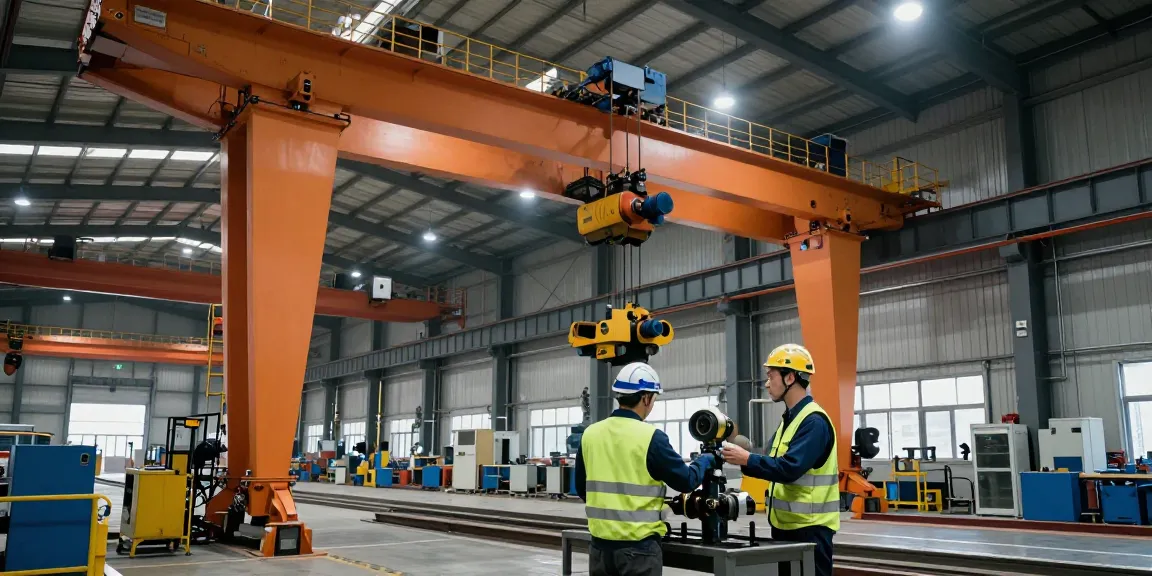
A gantry crane is a type of crane that consists of a hoist or lifting mechanism mounted on a framework supported by legs, which can traverse along rails. Unlike other cranes that may hang from a fixed structure, gantry cranes can be moved around a workspace, making them ideal for loading, unloading, and transporting materials within various environments. They are available in different configurations, including single girder and double girder designs, each suited to specific lifting requirements.
Key Industries Utilizing Gantry Cranes
Gantry cranes are extensively used in an array of industries, including:
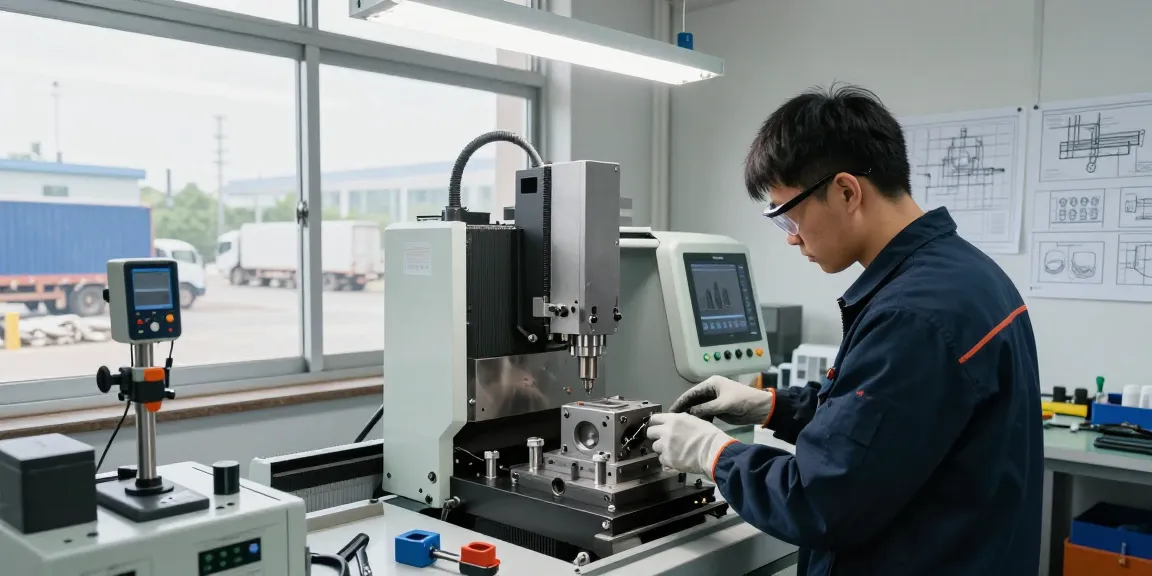
- Manufacturing: For assembly lines and heavy equipment movement.
- Steel Production: For handling heavy steel components and materials.
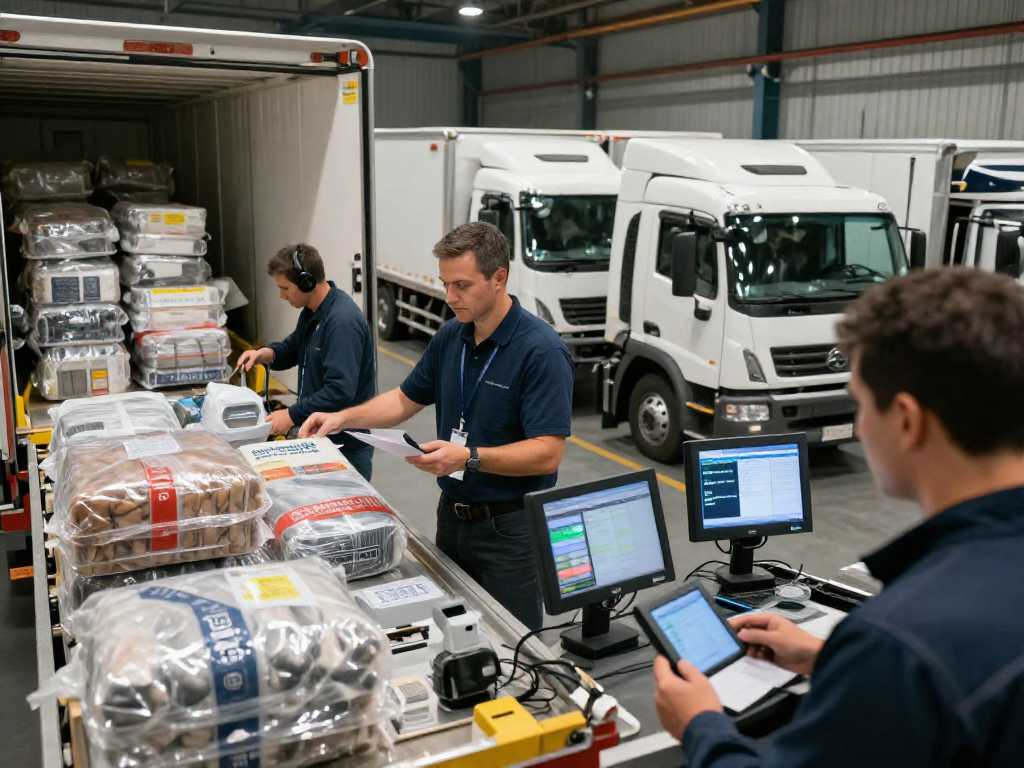
- Logistics and Warehousing: For efficient loading and unloading operations.
- Shipbuilding: For moving large ship components during construction.
- Energy and Petrochemical: For handling equipment in harsh environments.
Benefits of Using Gantry Cranes in Operations
Investing in gantry cranes presents numerous advantages, such as:
- Mobility: Their ability to move across a workspace enhances flexibility.
- Cost-Effectiveness: Gantry cranes often require less installation and maintenance cost compared to overhead cranes.
- Increased Safety: Modern gantry cranes incorporate advanced safety features to minimize accidents.
- Customization: They can be tailored to specific lifting capacities and heights, meeting unique operational needs.
Selecting the Right Gantry Crane Manufacturer
Choosing a reputable gantry crane manufacturer is crucial for ensuring the reliability and longevity of your equipment. Here are some key factors to consider:
Evaluating Manufacturer Credentials and Certifications
Before finalizing your choice, verify the manufacturer's credentials, including industry certifications such as ISO 9001 for quality management and ISO 14001 for environmental management. These certifications indicate adherence to international standards, ensuring that the products you receive are reliable and safe.
Understanding Customization Options
Customization is an essential factor when selecting a gantry crane manufacturer. Many manufacturers offer bespoke solutions tailored to specific lifting requirements, which can significantly enhance operational efficiency. Consider whether the manufacturer can provide a variety of configurations, such as low-headroom options or heavy-duty designs.
Assessing After-Sales Support and Maintenance
After-sales support is a critical aspect of manufacturer quality. Ensure that the manufacturer offers comprehensive maintenance services and readily available replacement parts. This support can be pivotal in minimizing downtime and prolonging the life of your gantry cranes.
Innovative Features in Modern Gantry Cranes
With advancements in technology, modern gantry cranes are equipped with features that enhance functionality, safety, and sustainability. Here are some notable innovations:
Automation and Smart Technologies
The integration of automation in gantry cranes has revolutionized their operation, allowing for improved precision and efficiency. Smart technologies enable remote monitoring and control, providing operators with real-time data on performance and safety metrics. This automation not only streamlines operations but also reduces the likelihood of human error.
Safety Standards and Compliance Measures
Safety remains a paramount concern in any lifting operation. Leading manufacturers equip their gantry cranes with cutting-edge safety features, such as overload protection, emergency stop controls, and advanced monitoring systems. Compliance with stringent industry standards ensures that equipment meets necessary safety protocols.
Sustainable Practices in Manufacturing
As sustainability becomes increasingly important, many gantry crane manufacturers are adopting eco-friendly practices. This includes using recyclable materials and implementing energy-efficient manufacturing processes. Companies that prioritize sustainability not only contribute positively to the environment but also appeal to a growing market of eco-conscious consumers.
Challenges Faced by Gantry Crane Manufacturers
The gantry crane manufacturing industry is not without its challenges. Here are some of the key issues manufacturers must address:
Addressing Supply Chain Disruptions
Global supply chain disruptions have posed significant challenges for manufacturers, impacting the availability of raw materials and delivery timelines. Manufacturers must adapt by diversifying suppliers and enhancing inventory management systems to minimize the impact of these disruptions.
Competition in the Global Market
With the rise of international competitors, staying ahead in the gantry crane market requires ongoing innovation and competitive pricing. Manufacturers must invest in R&D to develop high-performance cranes while managing costs to remain attractive to buyers.
Technological Advancements and Their Impact
Rapid technological advancements necessitate constant adaptation within the industry. Manufacturers must ensure that their equipment remains relevant by integrating the latest technologies, thereby improving safety, efficiency, and user experience.
Future Trends for Gantry Cranes in 2026
As we look ahead to 2026, several trends are likely to shape the gantry crane landscape:
Emerging Technologies Shaping the Industry
We anticipate that advanced technologies, such as artificial intelligence and machine learning, will play a significant role in the future of gantry cranes. These technologies can optimize operations through predictive maintenance and enhanced safety protocols.
Shifts in Market Demand and User Requirements
As industries evolve, so do their lifting needs. Manufacturers will need to respond to the demand for cranes that can handle lighter loads but with greater precision and speed. Customization will become essential to meet these changing requirements.
Predictions for Gantry Crane Efficiency Improvements
Efficiency improvements will continue to be a focal point for gantry crane manufacturers. We can expect innovations in materials and design that will reduce weight while increasing load capacity, leading to enhanced performance.
What should buyers know before purchasing a gantry crane?
Before committing to a purchase, buyers should consider their operational needs, including load capacity, span, lifting heights, and environmental conditions. Additionally, understanding the manufacturer's reputation, support services, and compliance with standards is essential.
How can customization enhance crane performance?
Customization can enhance gantry crane performance by tailoring equipment to specific tasks and environments. By ensuring that cranes meet precise operational parameters, businesses can achieve greater efficiency and safety.
What safety features are essential in gantry cranes?
Essential safety features in gantry cranes include overload protection systems, emergency stop buttons, and advanced monitoring systems that ensure safe operation. Regular maintenance checks and operator training also contribute to safety.
What industry standards should gantry crane manufacturers meet?
Gantry crane manufacturers should meet industry standards such as ISO 9001 for quality management and compliance with local and international safety regulations. These standards ensure that the cranes are built to last and operate safely.
How to ensure effective maintenance of gantry cranes?
Effective maintenance of gantry cranes involves regular inspections, adherence to manufacturer guidelines for service intervals, and prompt addressing of any operational issues. Investing in a robust maintenance plan can help prolong the lifespan of the crane and maintain safety standards.