The Science Behind SHASHEL® Microwave Technology
In an age where sustainability and efficiency are paramount, the SHASHEL® microwave technology emerges as a groundbreaking solution for pest control, particularly in the realm of wood preservation. Utilizing microwave energy, this innovative approach not only ensures the complete eradication of wood-boring insects like woodworms but also prioritizes the integrity of the materials being treated. This article delves into how SHASHEL® works, its myriad benefits compared to traditional pest elimination methods, and the essential roles of temperature and time in effective treatment.
For those seeking in-depth insights into SHASHEL® technology, it is crucial to understand its foundational principles and advantages. By employing SHASHEL®, users are opening the door to a chemical-free method that harmonizes with eco-friendly practices.
How SHASHEL® Works to Eliminate Wood-Boring Insects
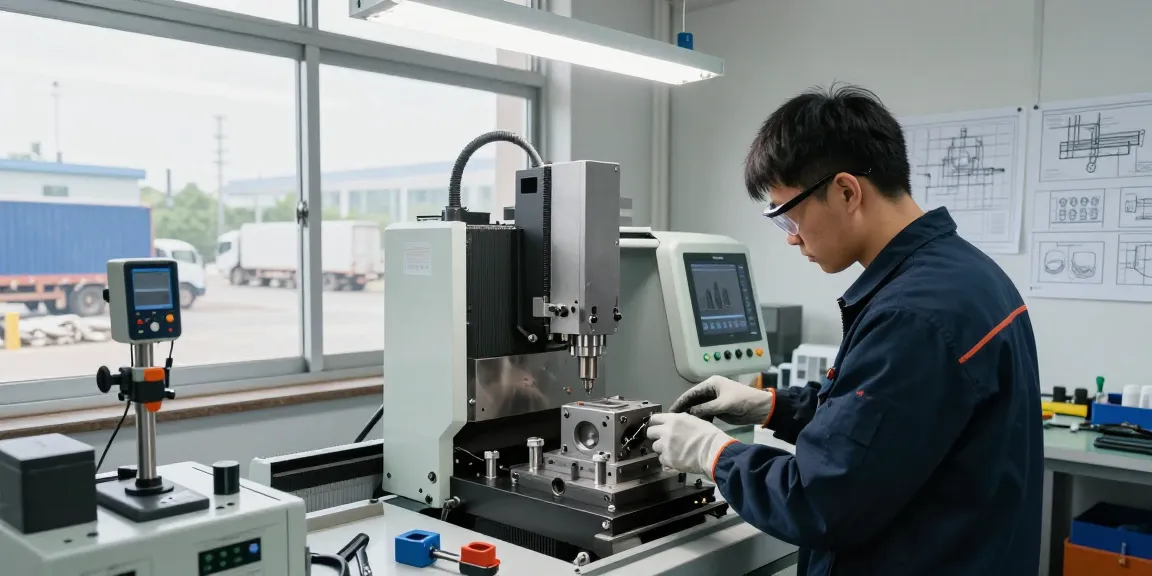
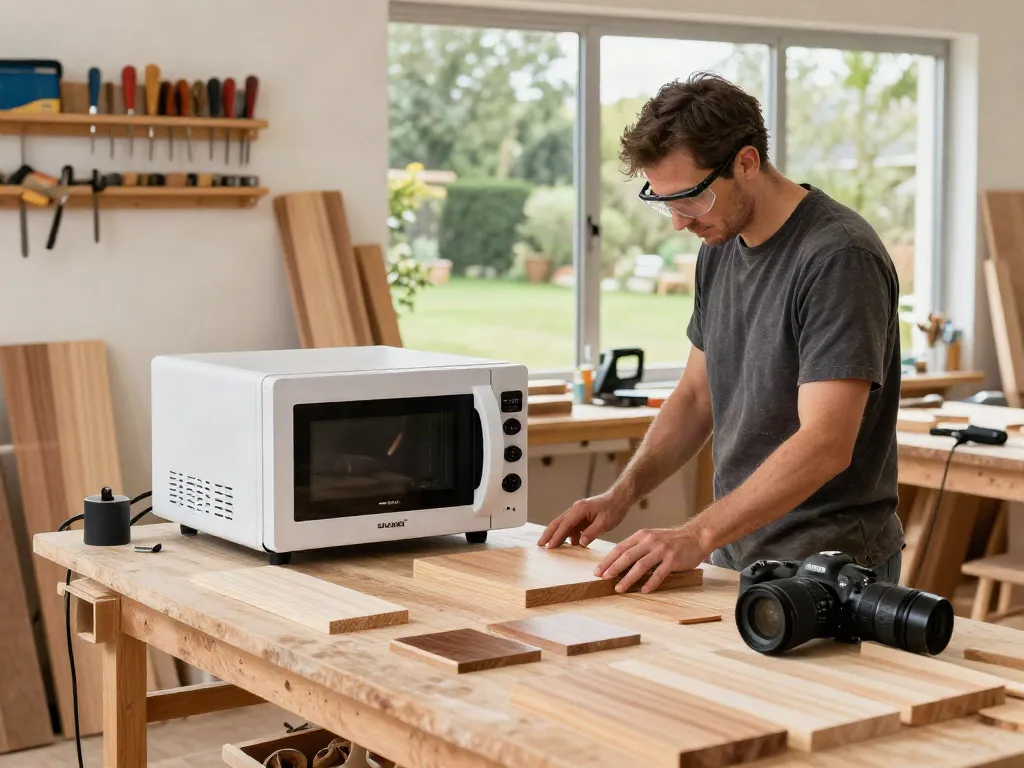
The mechanism of SHASHEL® microwave technology leverages the properties of microwave energy to generate heat within wood materials rapidly. When applied, the microwaves penetrate deep into the wood, effectively targeting the wood-boring insects—larvae, eggs, and adult beetles—through volumetric heating. This process significantly reduces the infestation without the need for harmful chemicals. The efficacy of this method lies in its ability to reach and destroy pests hidden in the core of wooden structures, where traditional treatments often fail.
Benefits of Microwave Treatment Over Traditional Methods
In comparison to conventional pest control techniques, the benefits of SHASHEL® microwave treatment are manifold:
- Chemical-Free: Unlike many traditional methods that rely on toxic chemicals, SHASHEL® utilizes a completely eco-friendly approach, minimizing health risks for occupants and the environment.
- Speed: Treatment times are drastically reduced to mere minutes, allowing for quick interventions and minimizing downtime for businesses or homeowners.
- Effectiveness: With its ability to penetrate deep into wood, SHASHEL® ensures that infestations are completely eradicated, preventing future outbreaks.
- Versatility: SHASHEL® can be used on various types of wood, including hardwood and softwood, making it suitable for a range of applications—from furniture restoration to structural preservation.
The Role of Temperature and Time in Effective Treatment
The effectiveness of SHASHEL® treatment heavily depends on the precise control of temperature and exposure time. Research indicates that reaching a core temperature of at least 56°C (132.8°F) is essential for effectively killing wood-boring insects. The targeted application of microwave energy can achieve this desired temperature rapidly, with typical treatment durations ranging from 15 to 30 minutes. Ensuring these parameters are met is critical for the success of the pest eradication process.
Identifying Common Wood-Boring Pests
To effectively combat wood-boring pests, one must first recognize them and understand their impact on structures. This section provides an overview of common woodworms, signs of infestation, and myths surrounding wood damage.
Overview of Woodworms and Their Impact on Structures
Woodworms are the larvae of several types of beetles, notorious for their destructive habits. These pests can compromise the structural integrity of wooden beams, furniture, and other installations. The damage caused by woodworms often goes unnoticed until it has progressed significantly, resulting in expensive repairs and restoration. Understanding the life cycle and behavior of woodworms is pivotal in preventing infestations.
How to Recognize Infestations Early
Identifying a woodworm infestation early can save homeowners and businesses considerable time and money. Key indicators include:
- Small exit holes in the wood surface.
- Fine powdery dust (frass) near damaged areas.
- Softening or crumbling wood, indicating internal damage.
Common Misconceptions About Wood Damage
It's a widespread misconception that wood damage from pests can only occur in old or neglected structures. In reality, newly constructed homes can also fall prey to wood-boring insects if untreated wood is used. Furthermore, many believe that using chemical treatments is the only solution, but with SHASHEL®, a safer alternative exists.
Using SHASHEL® for Effective Treatment
Equipped with a solid understanding of wood-boring pests, users can effectively harness the power of SHASHEL® technology. This section will provide detailed guidance on operating the equipment safely and efficiently.
Step-by-Step Guide to Operating SHASHEL® Equipment
- Preparation: Ensure that all wooden items to be treated are free from any additional materials that could obstruct microwave penetration.
- Setup: Position the SHASHEL® unit according to the manufacturer's guidelines for optimal performance.
- Monitoring: Use temperature probes to monitor the heating process, ensuring that the wood reaches the necessary temperature.
- Post-Treatment: Once treatment is complete, inspect the wood for any remaining signs of infestation.
Safety Precautions When Using Microwave Technology
While SHASHEL® is designed with safety features, users should always exercise caution:
- Always wear protective gear during operation.
- Maintain a safe distance from the unit while it is in operation.
- Ensure proper ventilation in the treatment area.
Maintaining Wood Quality During Treatment
One of the principal advantages of SHASHEL® is its ability to preserve the quality of wood during treatment. Unlike chemical methods that can leave residues or damage finishes, microwave technology ensures that the original texture and appearance of the wood remain intact, making it ideal for restoring cherished heirlooms or valuable commercial assets.
Case Studies: Success Stories with SHASHEL®
In this section, we will explore real-life applications and the success stories linked to SHASHEL® technology, showcasing its widespread adaptability and impact.
Residential Applications: Restoring Family Heirlooms
Many families possess valuable wooden furniture passed down through generations. One case involved a family that noticed woodworm damage in a century-old sideboard. By employing SHASHEL® technology, they successfully eliminated the infestation without compromising the wood's integrity, allowing them to preserve their family heritage for future generations.
Commercial Use: Protecting Business Assets
In commercial settings, businesses have turned to SHASHEL® for pest control to protect their investments. A local restaurant that housed wooden furniture experienced a significant woodworm issue. Utilizing the microwave treatment allowed for a swift resolution, ensuring that their business operations were back on track without the long downtime associated with traditional pest control methods.
Feedback from Professionals in Woodworking and Restoration
Feedback from professionals in the woodworking and restoration fields underscores the effectiveness and applicability of SHASHEL® technology. Restorers have noted that the ability to treat delicate items while maintaining their value sets SHASHEL® apart from other treatments. This has led to increased demand and positive word-of-mouth within the industry.
Future Trends in Pest Control and Wood Treatment
As we look toward 2026 and beyond, the pest control industry continues to evolve. This section highlights future trends and the growing demand for eco-friendly solutions.
Innovations to Look Out for in 2026 and Beyond
Advancements in microwave technology are anticipated, including improved efficiency and user-friendliness in pest control equipment. Expect to see new models with enhanced capabilities for larger commercial applications, providing versatile solutions for various sectors.
The Growing Demand for Eco-Friendly Solutions
With increasing awareness around sustainability, the demand for chemical-free pest control solutions like SHASHEL® is expected to surge. Consumers and businesses alike are prioritizing the safety of their environments, thus driving the adoption of such technologies.
Expert Insights on Emerging Technologies in Wood Preservation
Industry experts agree that incorporating advanced technologies, such as machine learning and predictive analytics, may offer significant advancements in pest management strategies. These innovations could enable more proactive approaches, ensuring infestations are addressed before they escalate.
What Makes SHASHEL® Different from Other Treatments?
SHASHEL® stands out in the pest control market due to its unique approach and effectiveness. The combination of microwave energy, eco-friendliness, and rapid treatment times offers a comprehensive solution that traditional methods fail to provide.
Is SHASHEL® Treatment Safe for All Types of Wood?
SHASHEL® is designed to treat both softwood and hardwood effectively. Its gentle yet effective application ensures that various types of wooden materials can be preserved without risk of damage.
How Long Does SHASHEL® Treatment Last?
Once treated with SHASHEL®, wood remains protected against wood-boring insects as long as it is maintained properly. Regular inspections are recommended to ensure that no new infestations arise.
What Should I Do if Wood Damage Persists?
If damage persists after treatment, it may indicate that the infestation was not entirely eradicated or that new pests have invaded. In such cases, re-treatment with SHASHEL® or consultation with a pest control expert may be necessary.
Can SHASHEL® Be Used in Commercial Settings?
Absolutely. SHASHEL® technology is highly adaptable, making it suitable for various commercial environments, from warehouses to restaurants, enabling businesses to protect their assets effectively.